Our Focus Areas
Community-led pathways for resilient livelihoods and healthy mountain ecosystems
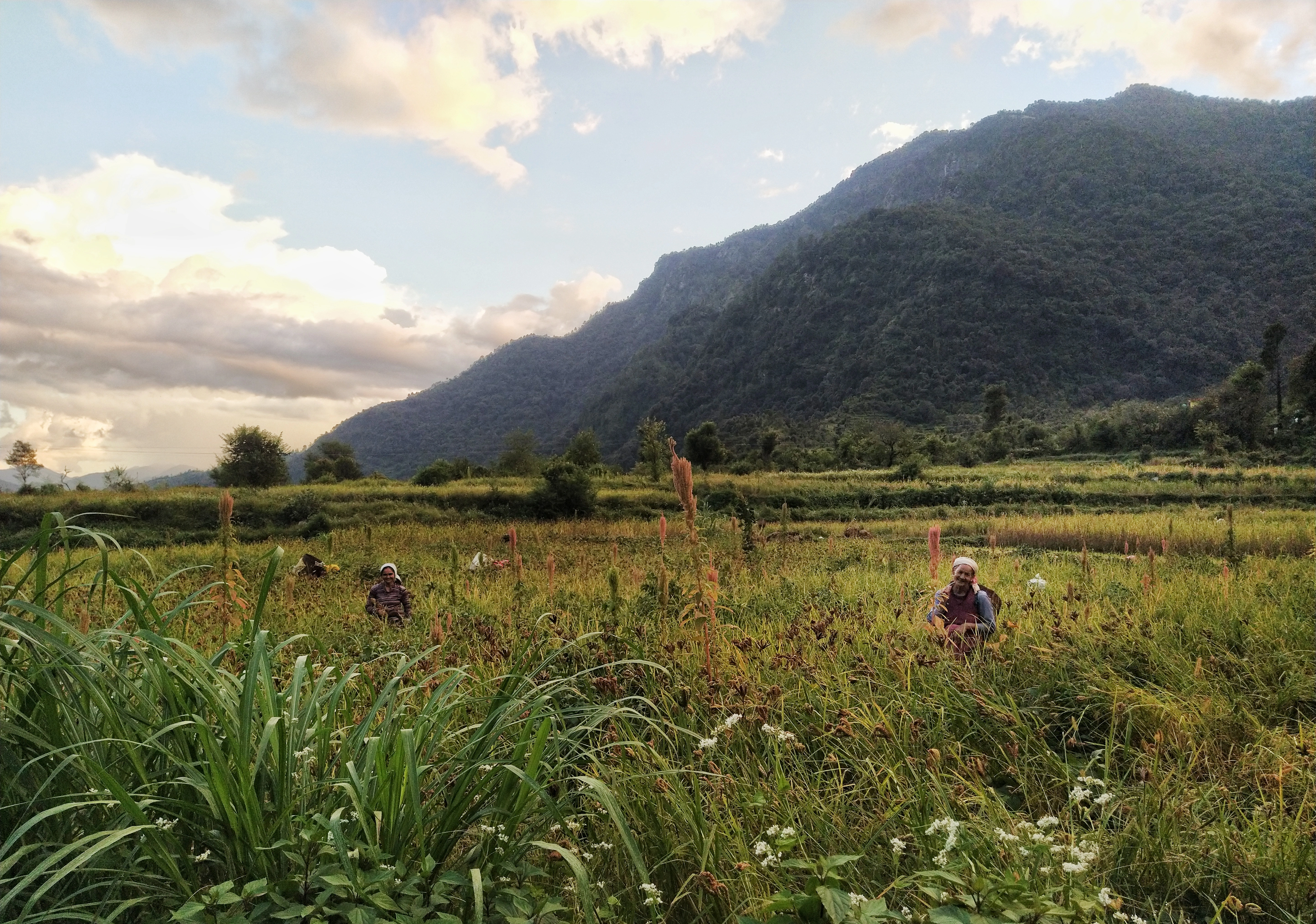
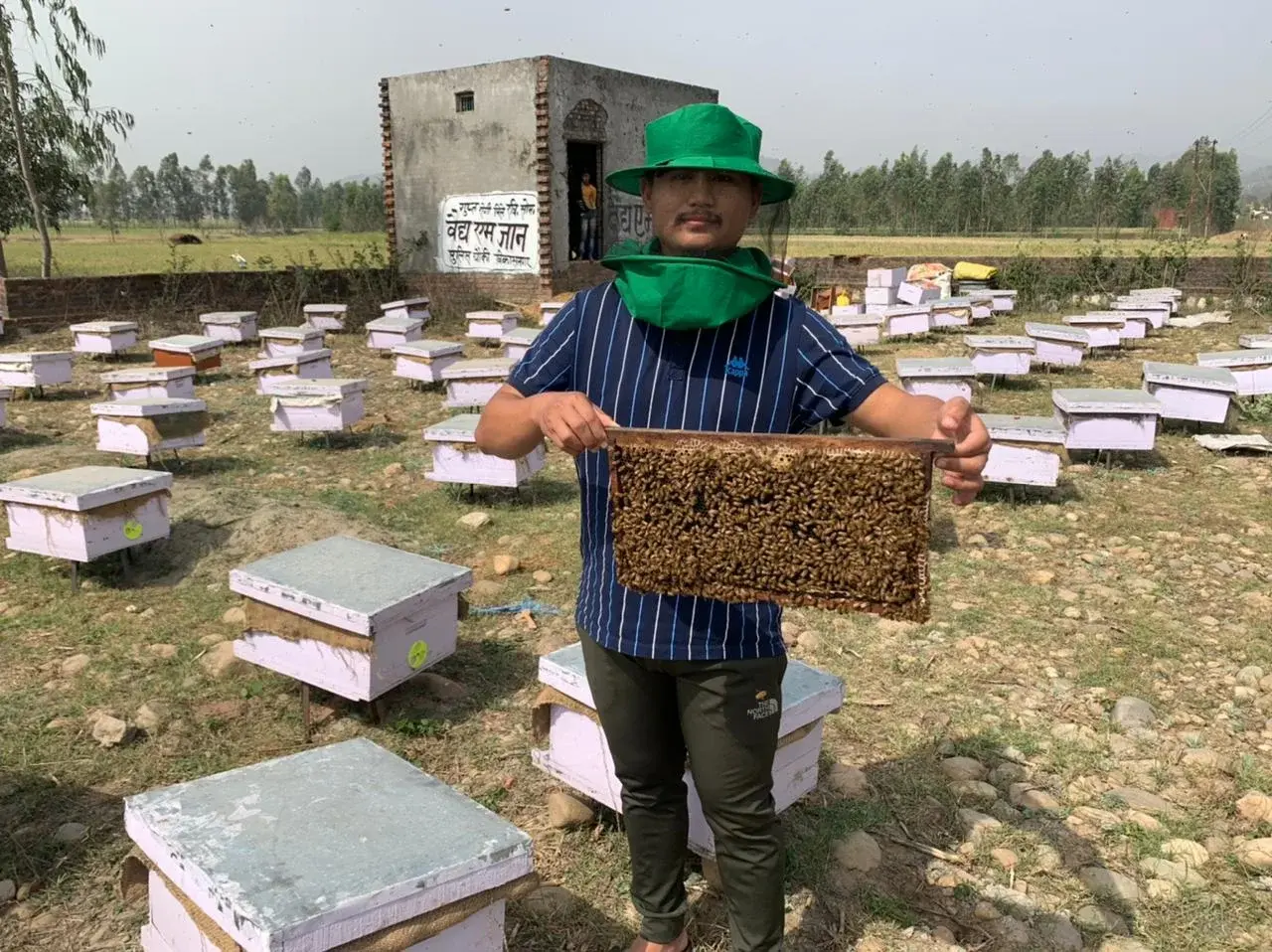
Sustainable Livelihoods & Rural Development
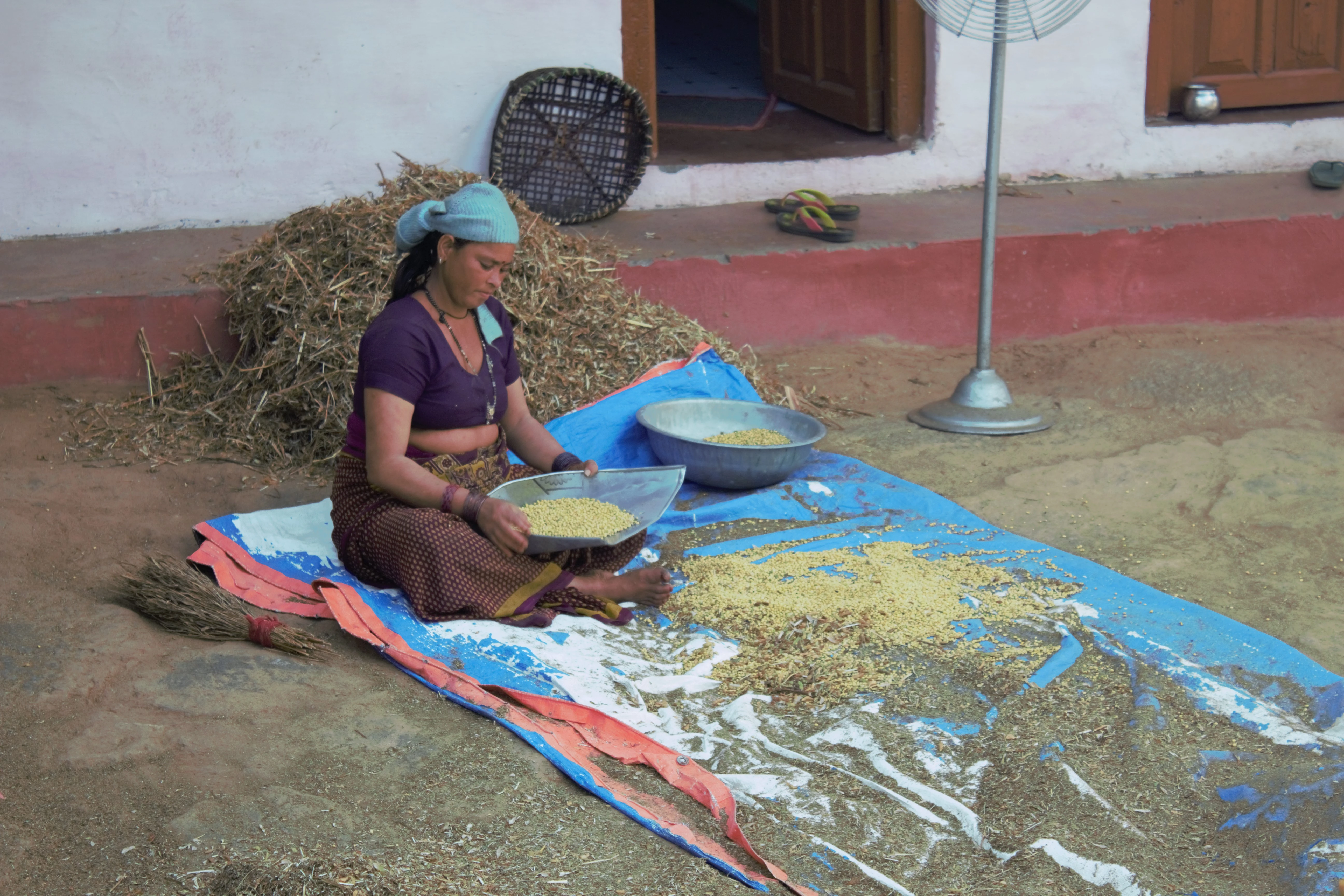
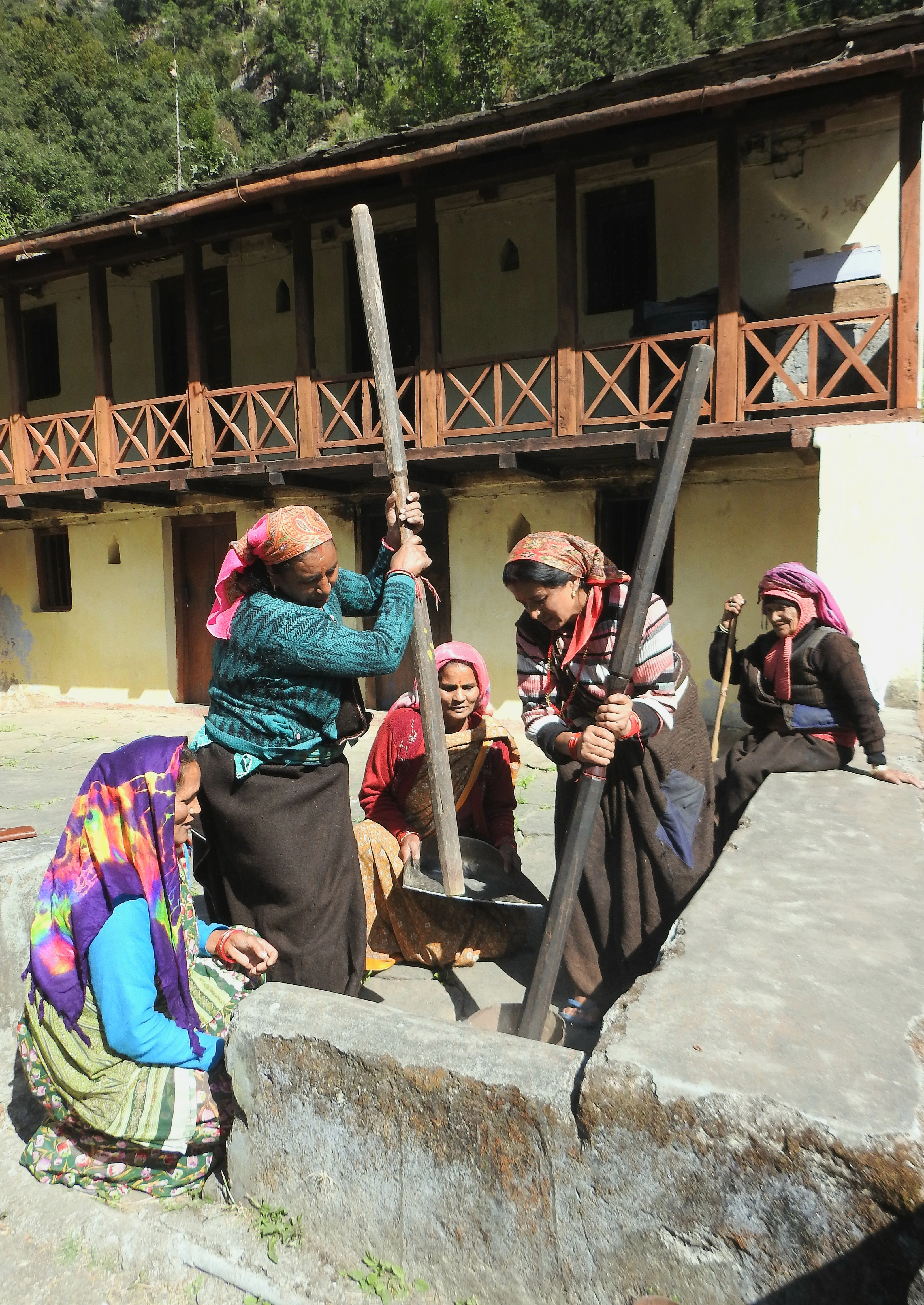
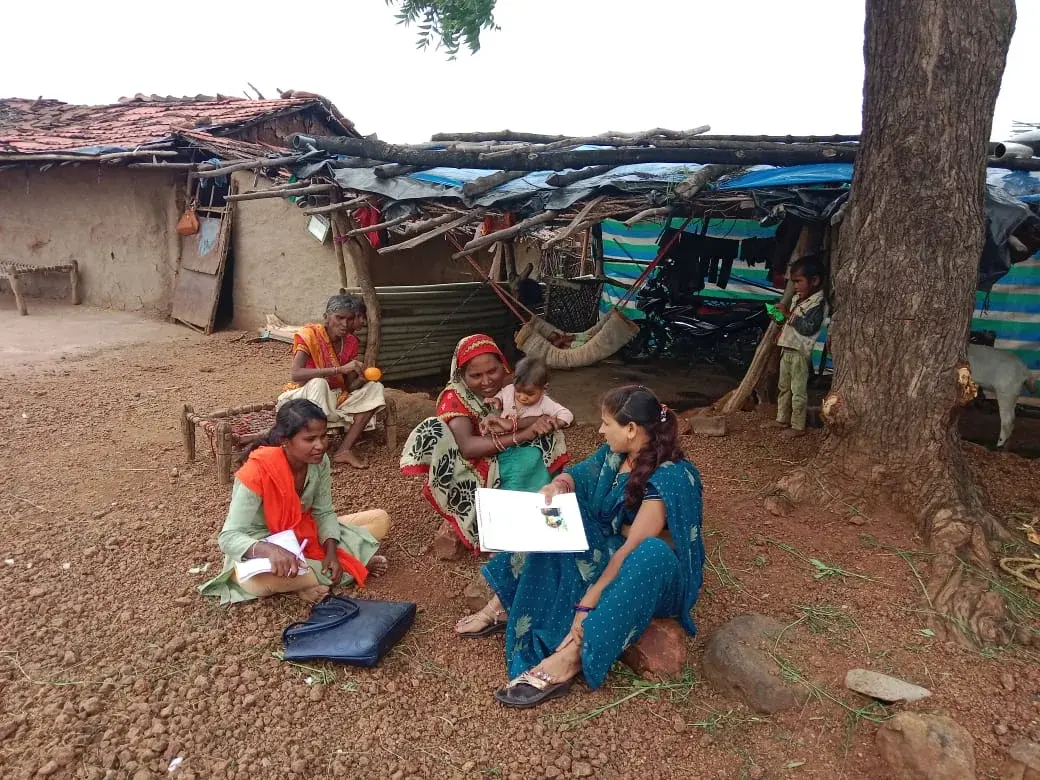
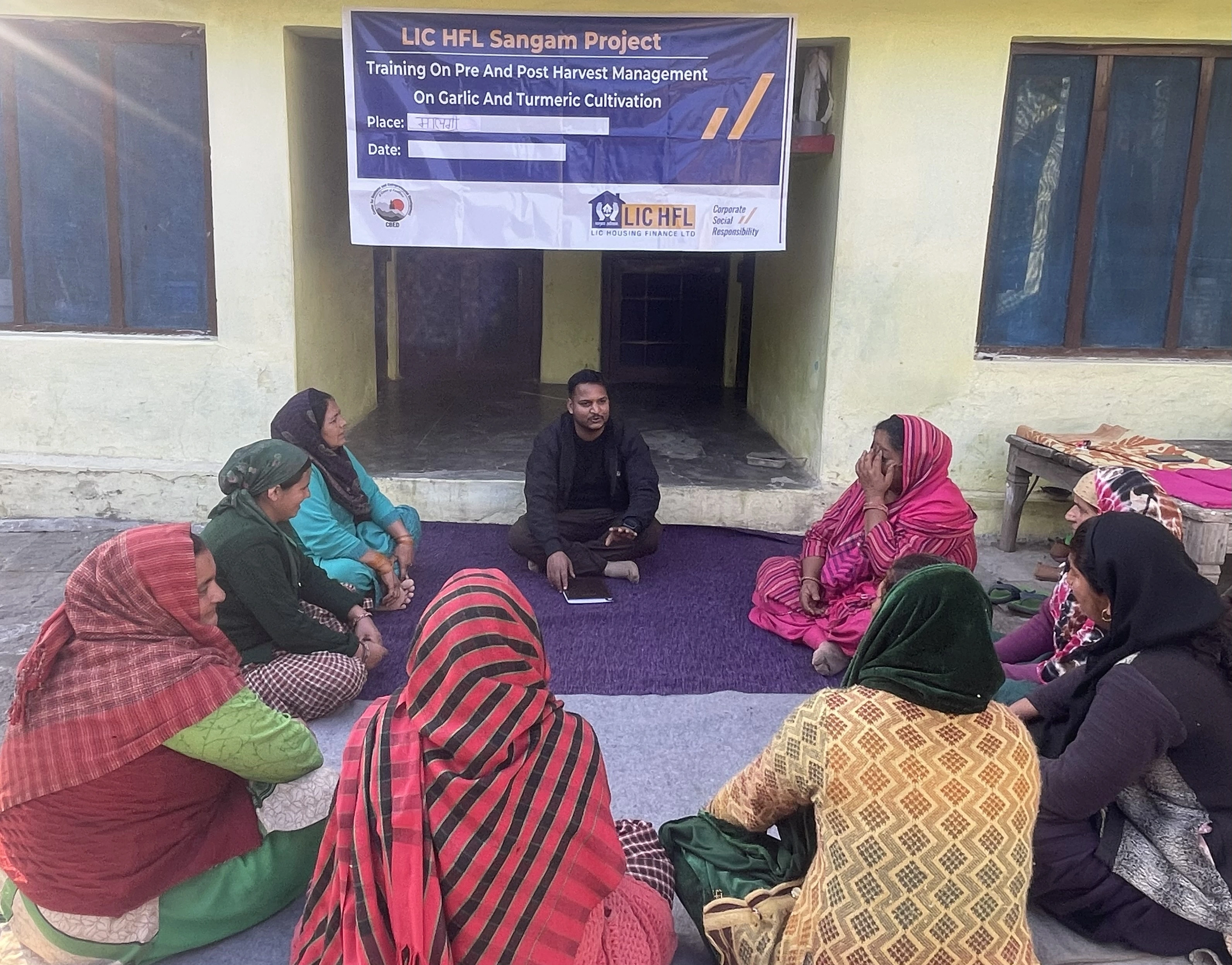
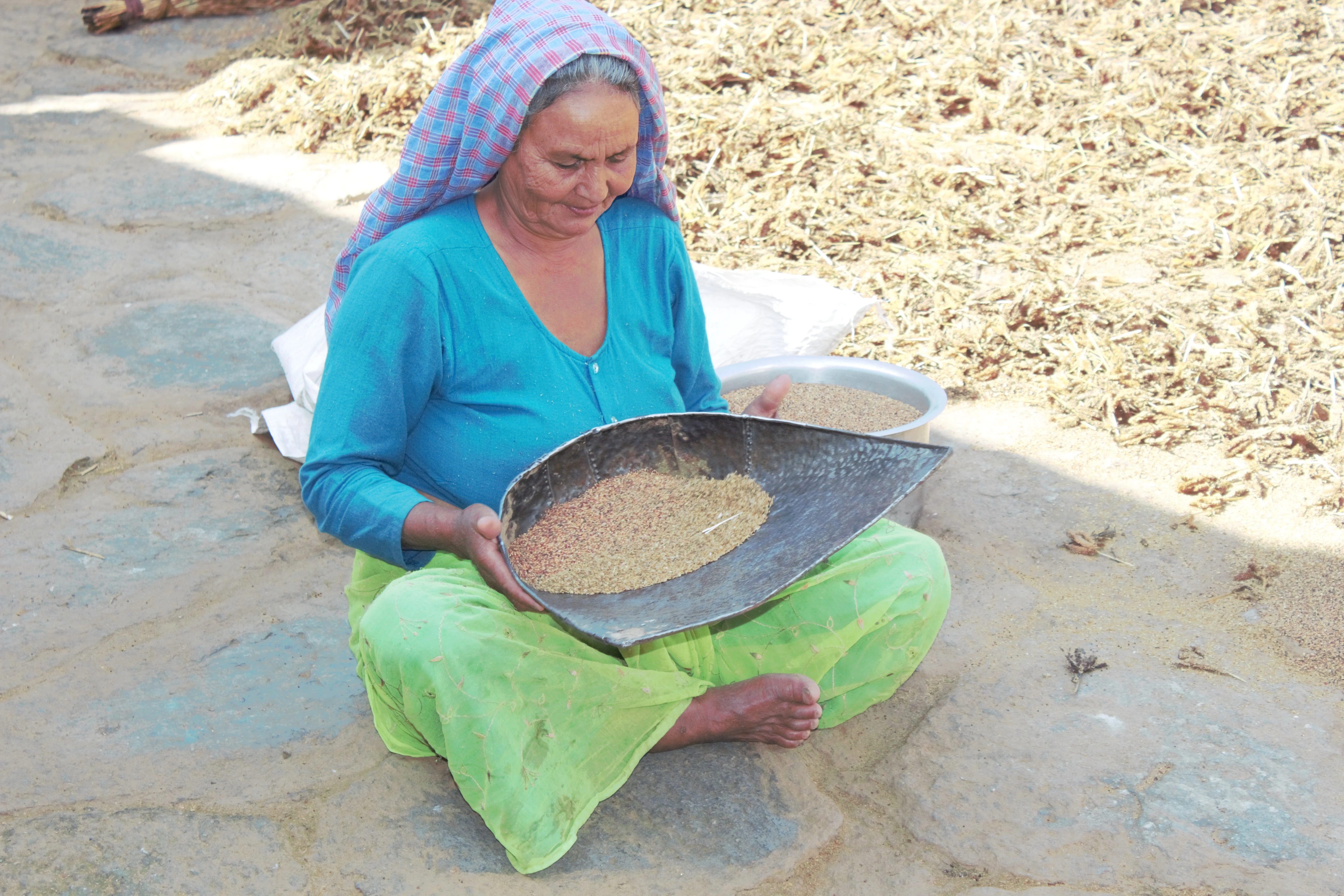
This core area brings together sustainable livelihoods and women-led, inclusive development, recognising that economic security and equity are deeply interconnected in rural mountain contexts. This works because placing women’s leadership and inclusion at the centre strengthens livelihoods while building more resilient rural economies.
What we work on:
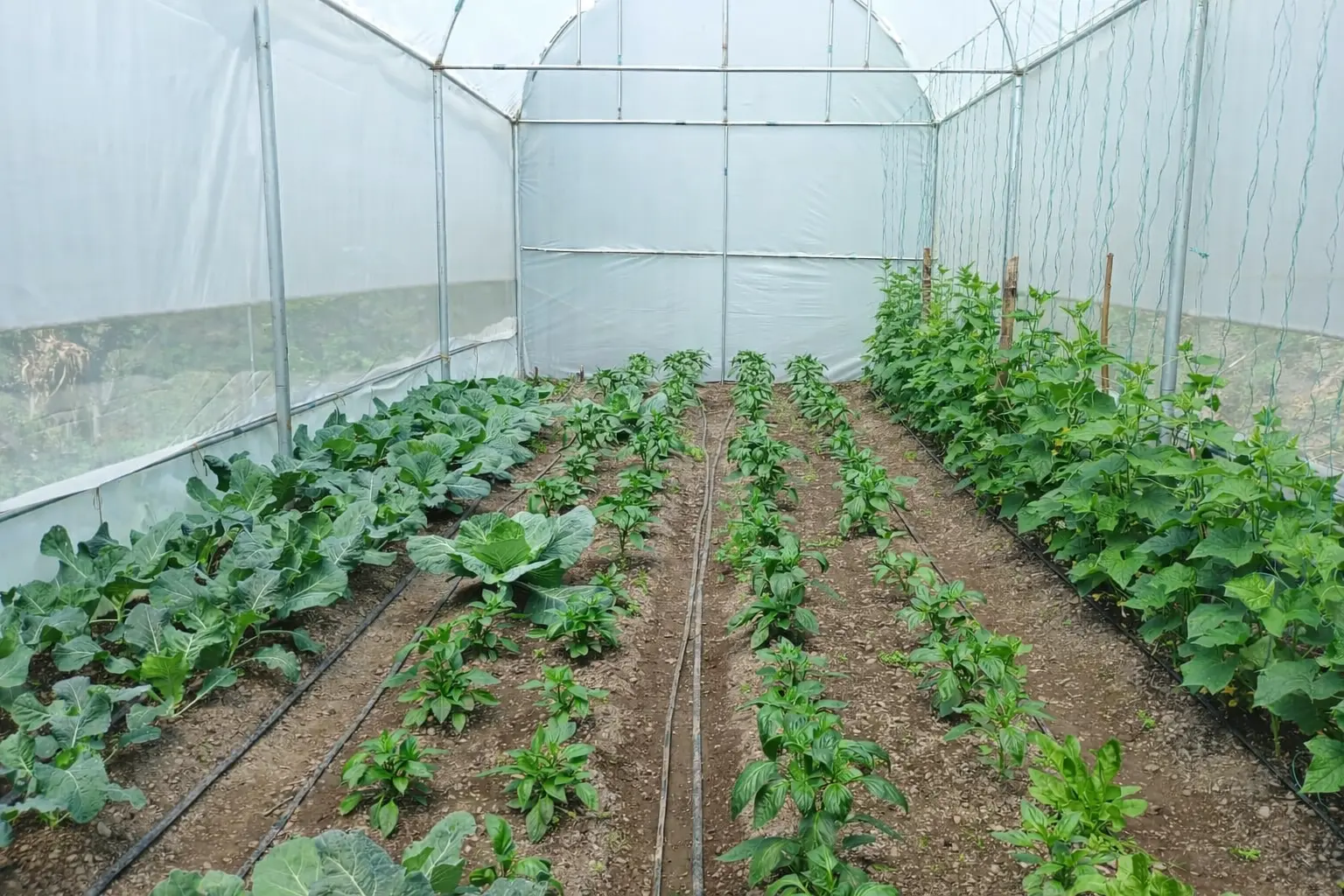
- Farm and non-farm livelihoods
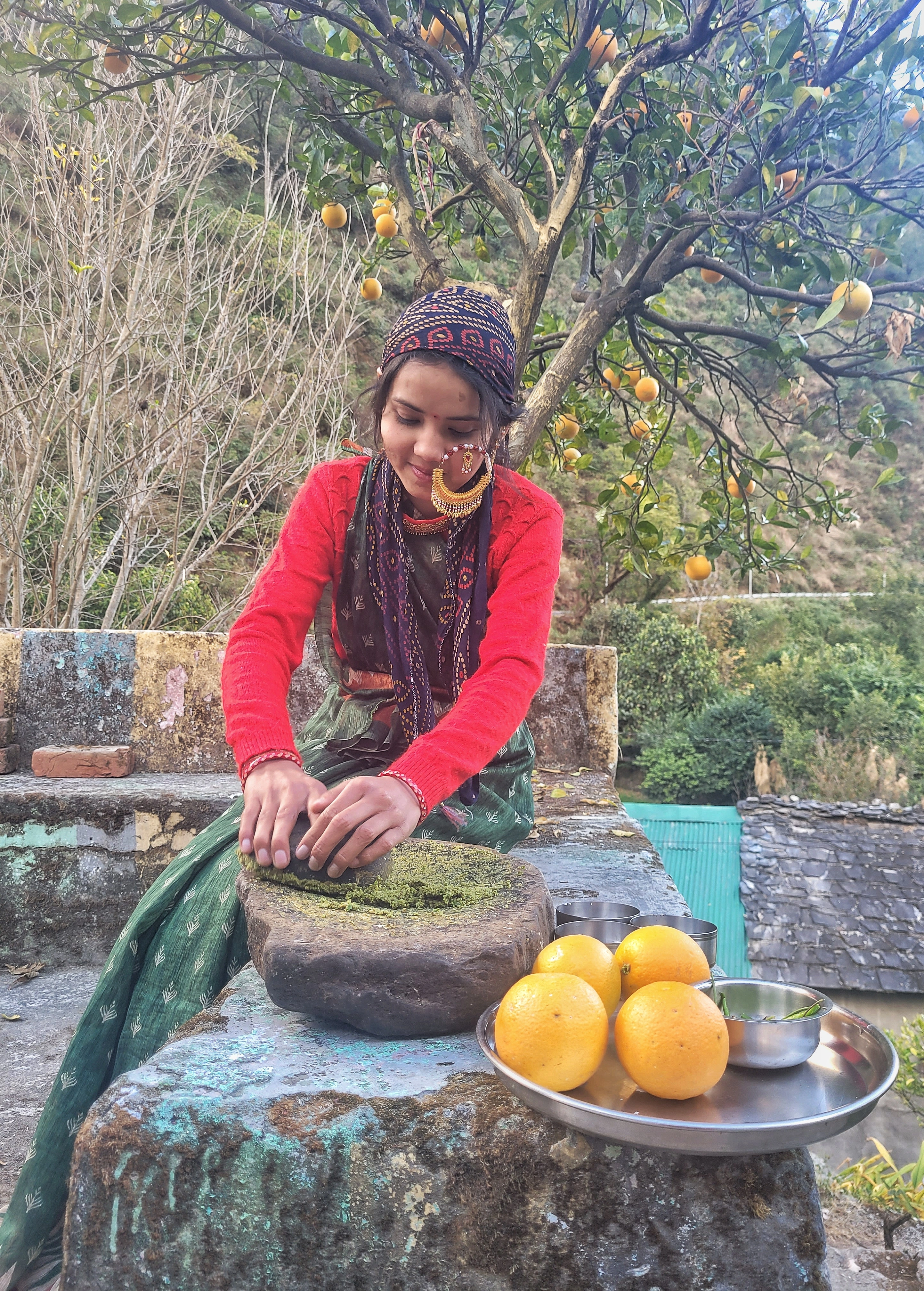
- Natural resource–based enterprises
- Value addition and access to local markets
- Addressing land abandonment and distress migration
- Women’s leadership in livelihoods and enterprises
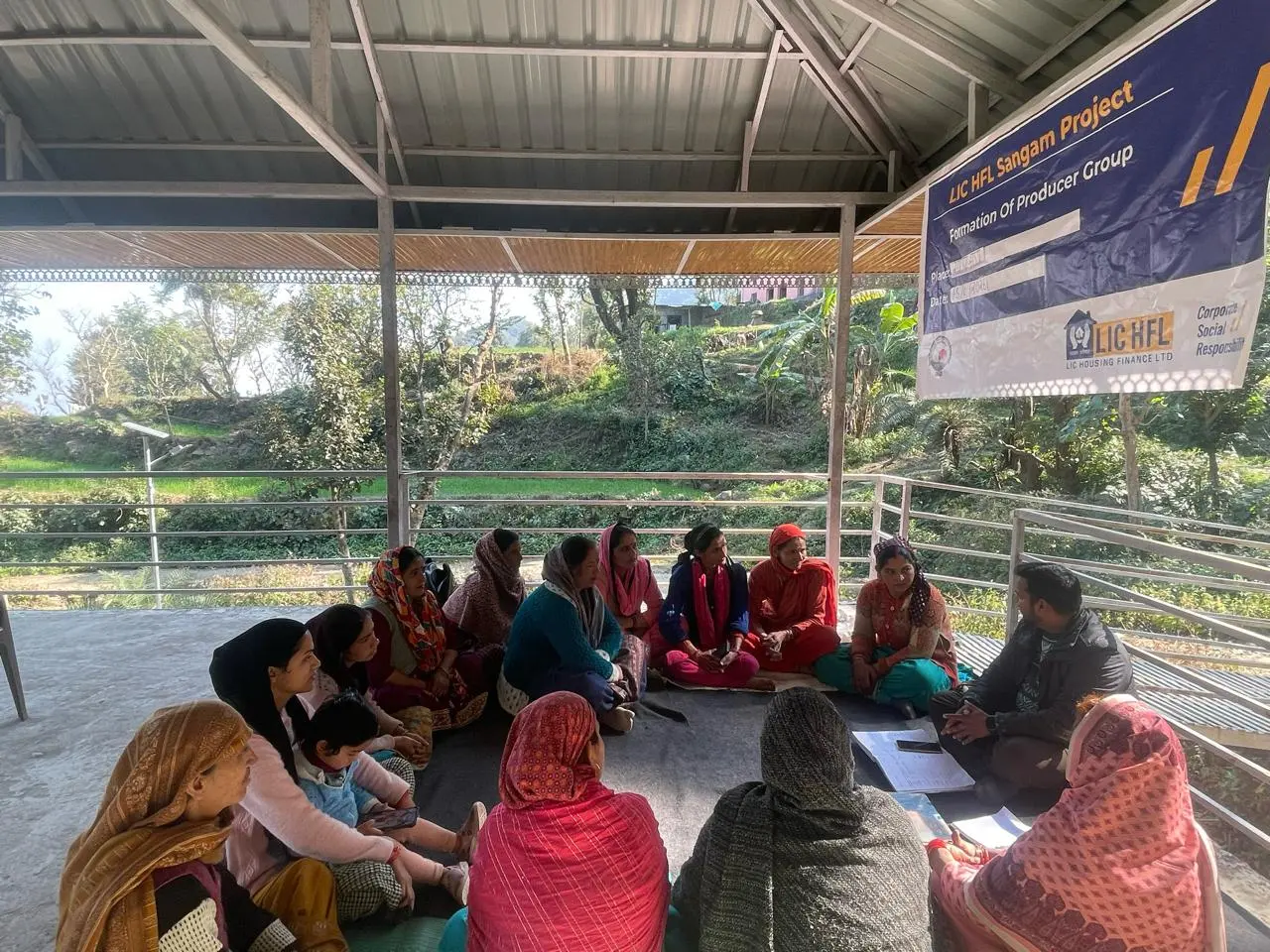
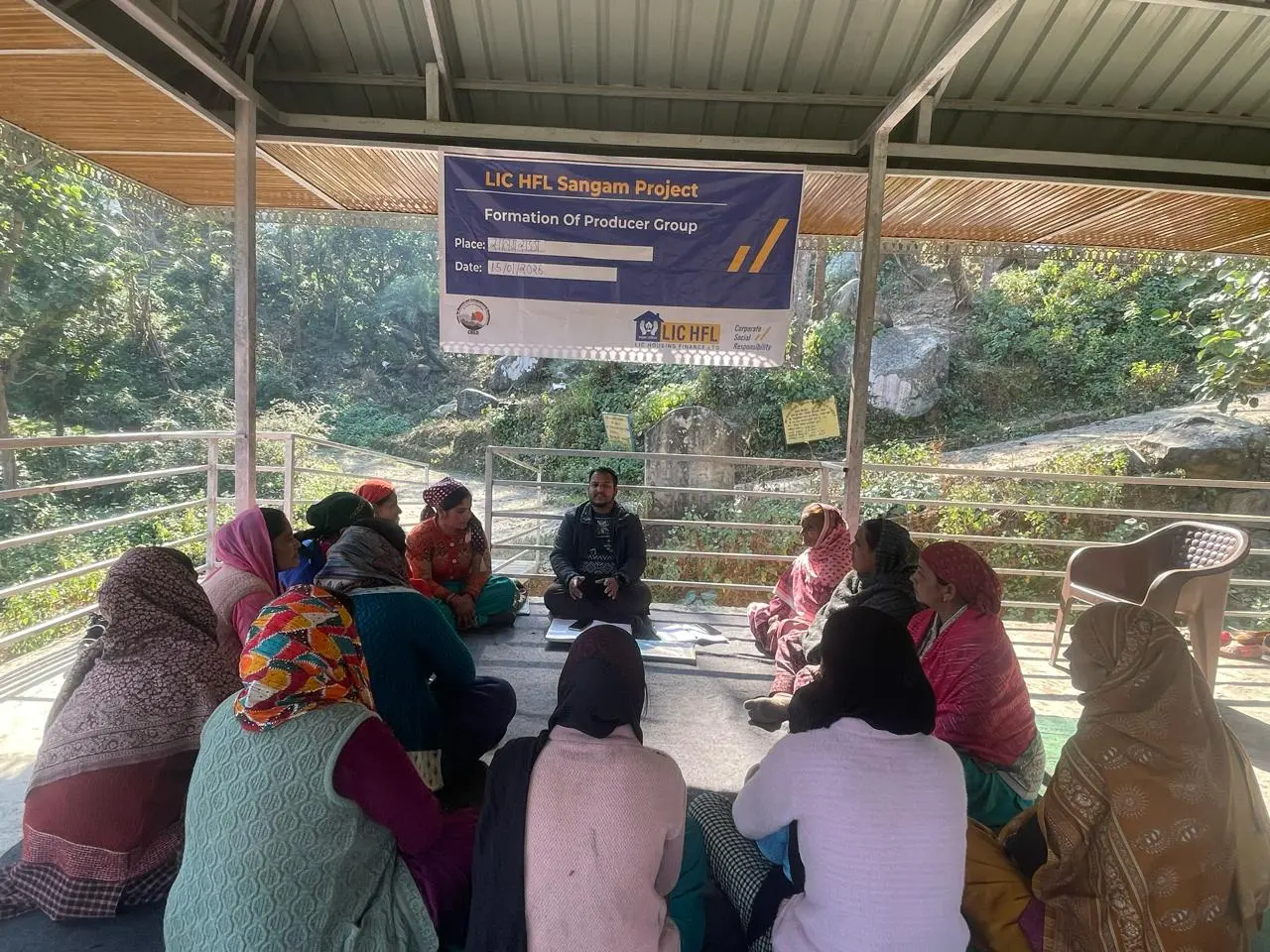
- Skill development and strengthening women’s collectives
- Ensuring equity in access to resources and decision-making
Agri-Entrepreneurship through Capacity Building and Training
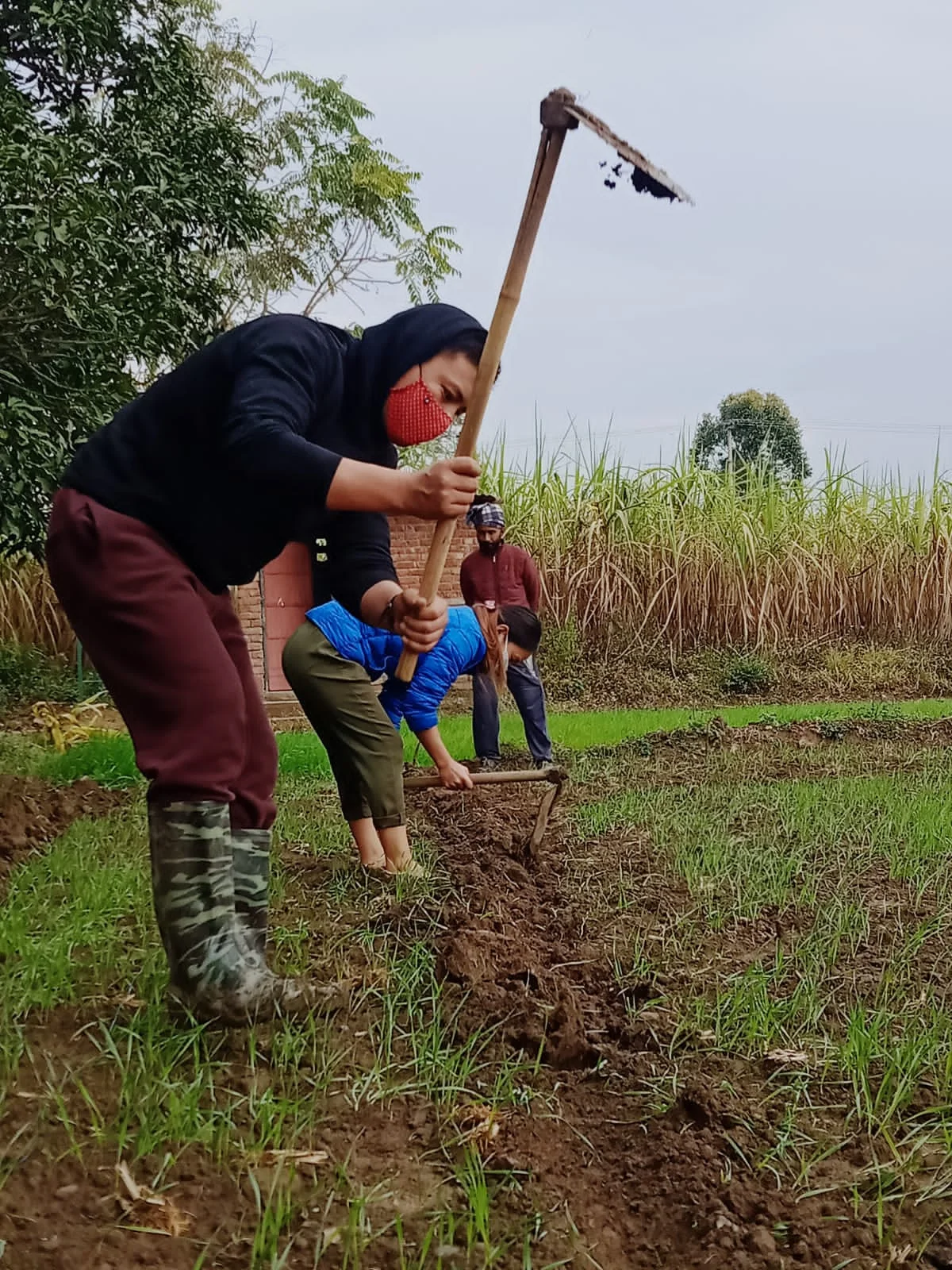
CBED has been promoting sustainable agriculture and livelihood opportunities in Uttarakhand for over eighteen years, addressing systemic challenges faced by smallholders and rural youth.
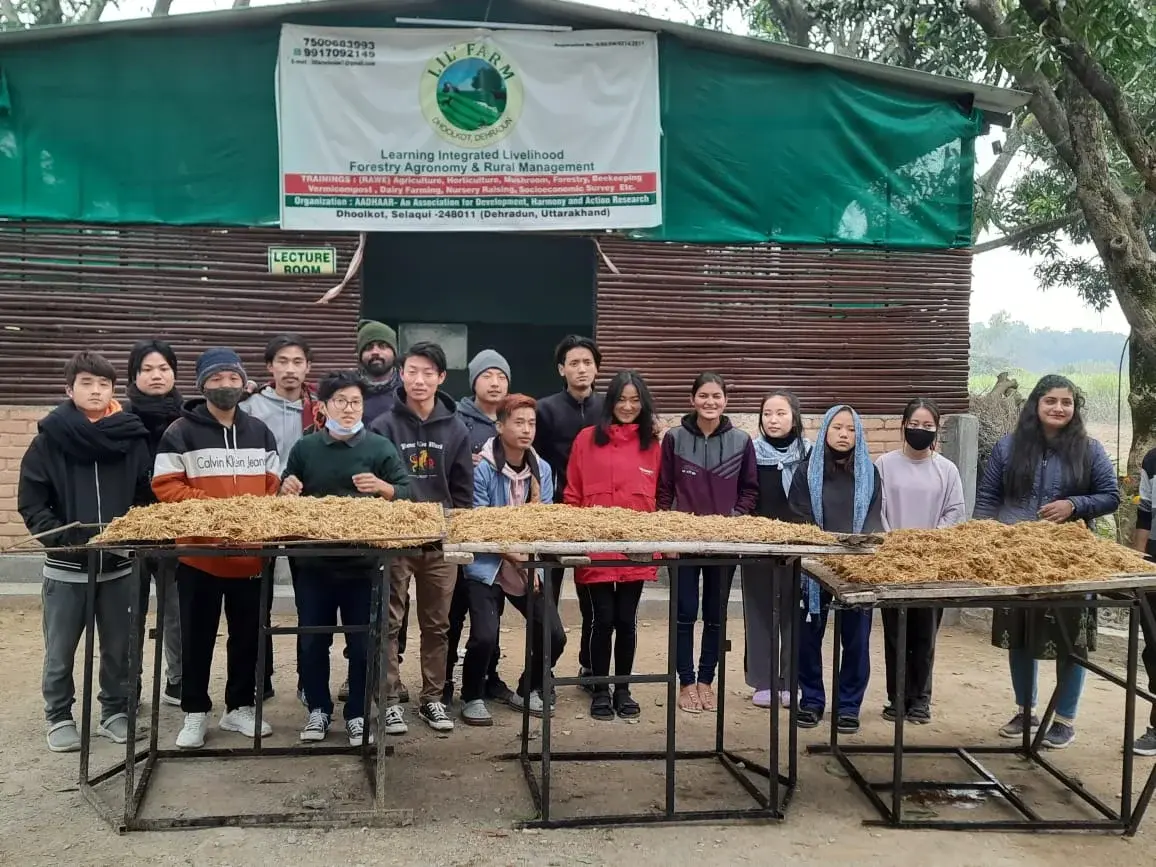
Our Agri-Entrepreneurship initiative at the Dhoolkot Training Centre empowers aspiring entrepreneurs to establish viable agri-businesses by building practical skills and business capabilities. As part of this, participants undergo a 45-day residential training under the Agri-Clinic & Agri-Business Centre (AC&ABC) programme of the Ministry of Agriculture & Farmers Welfare, Government of India, implemented through the MANAGE Institute, Hyderabad.
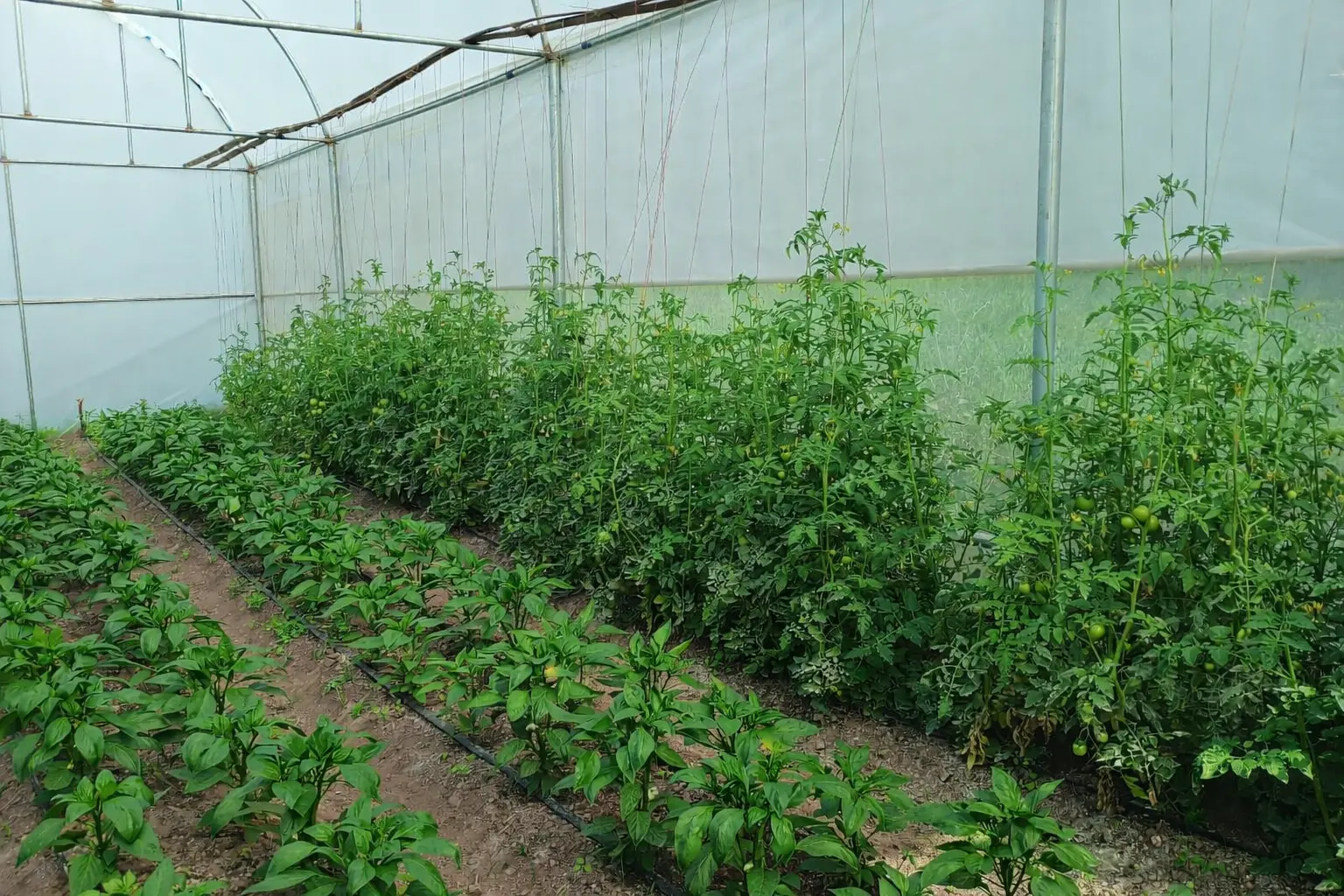
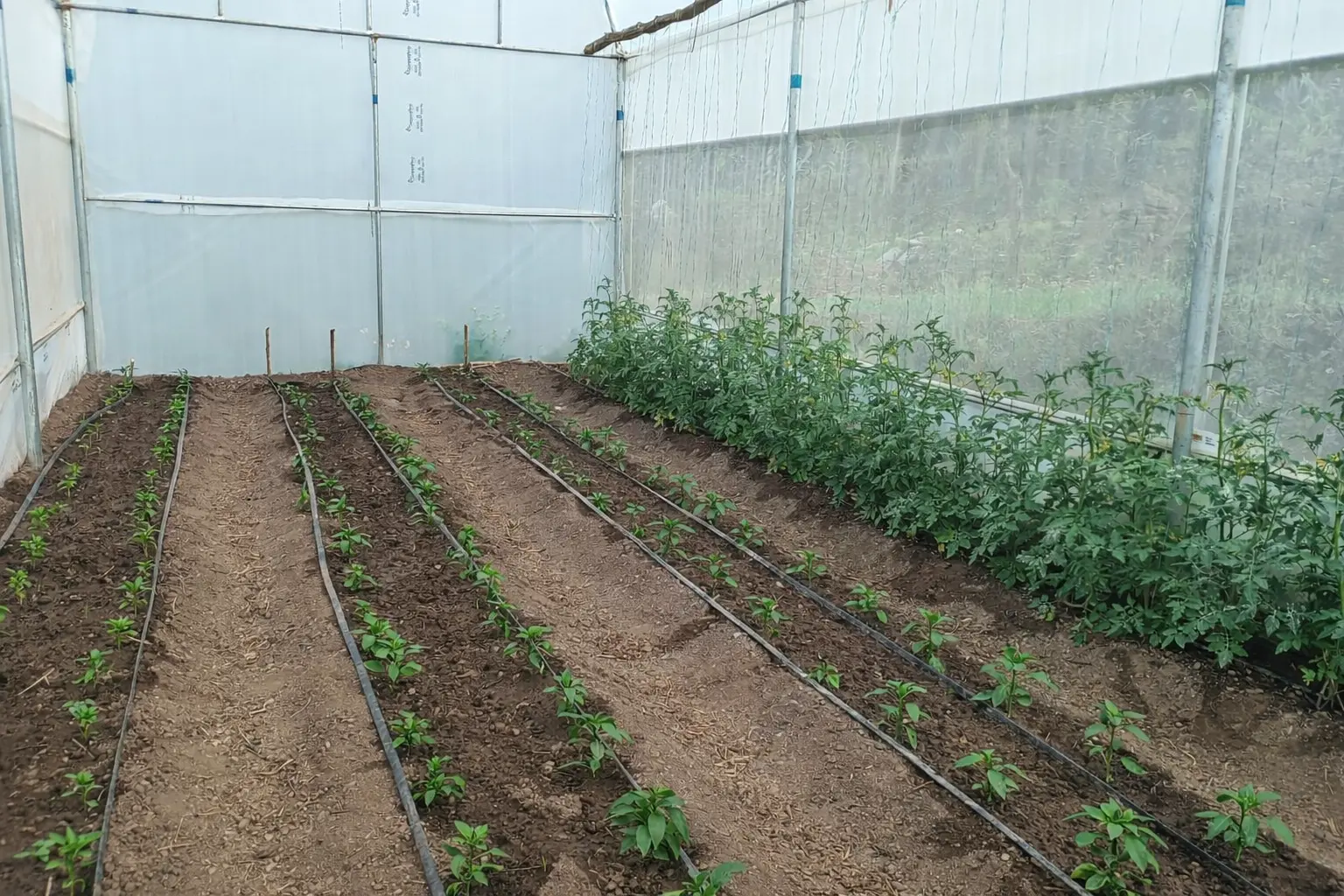
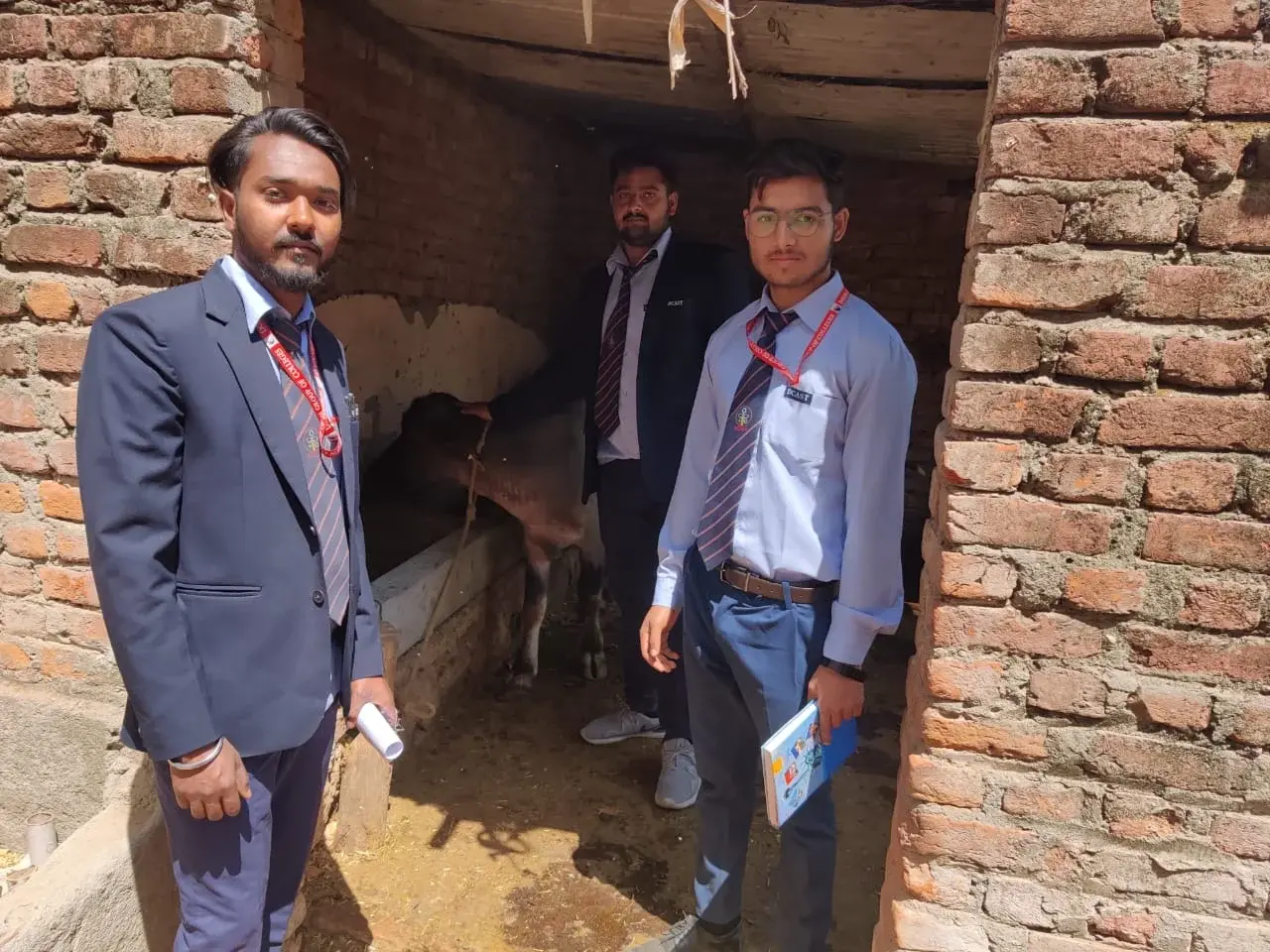
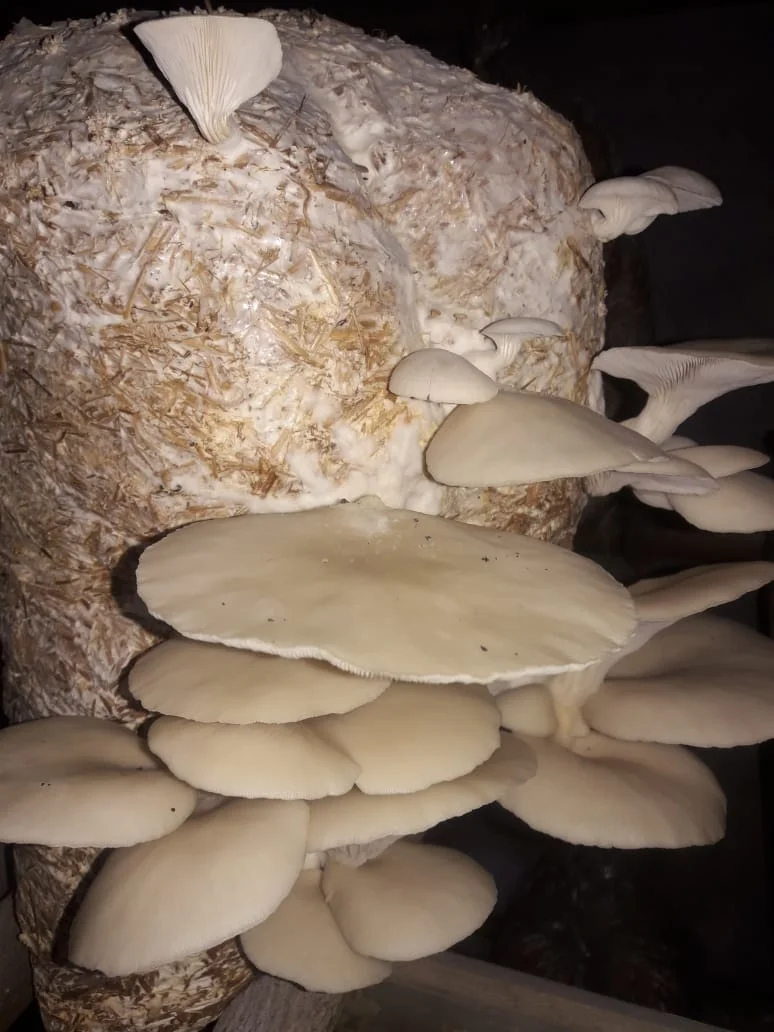
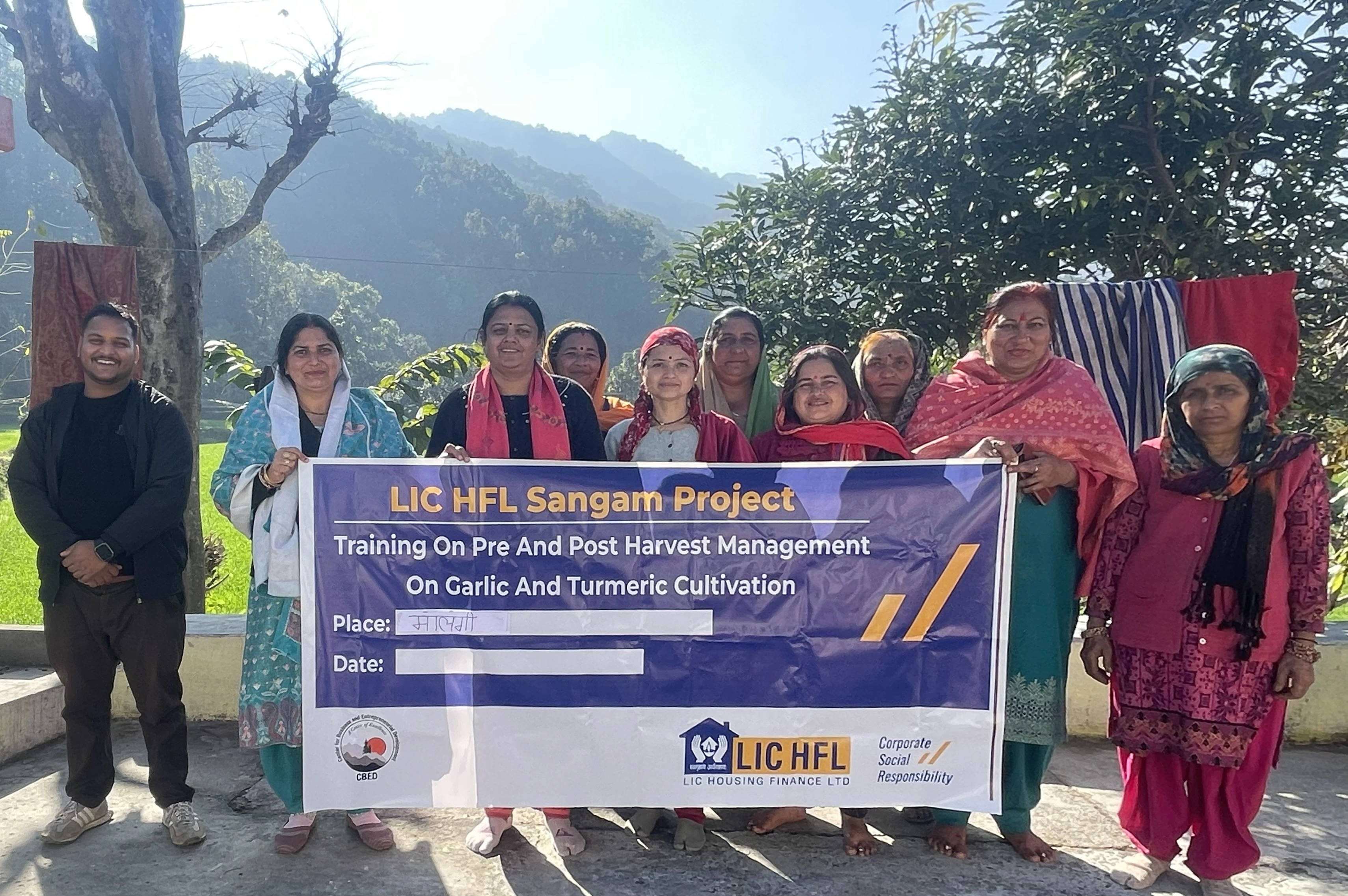
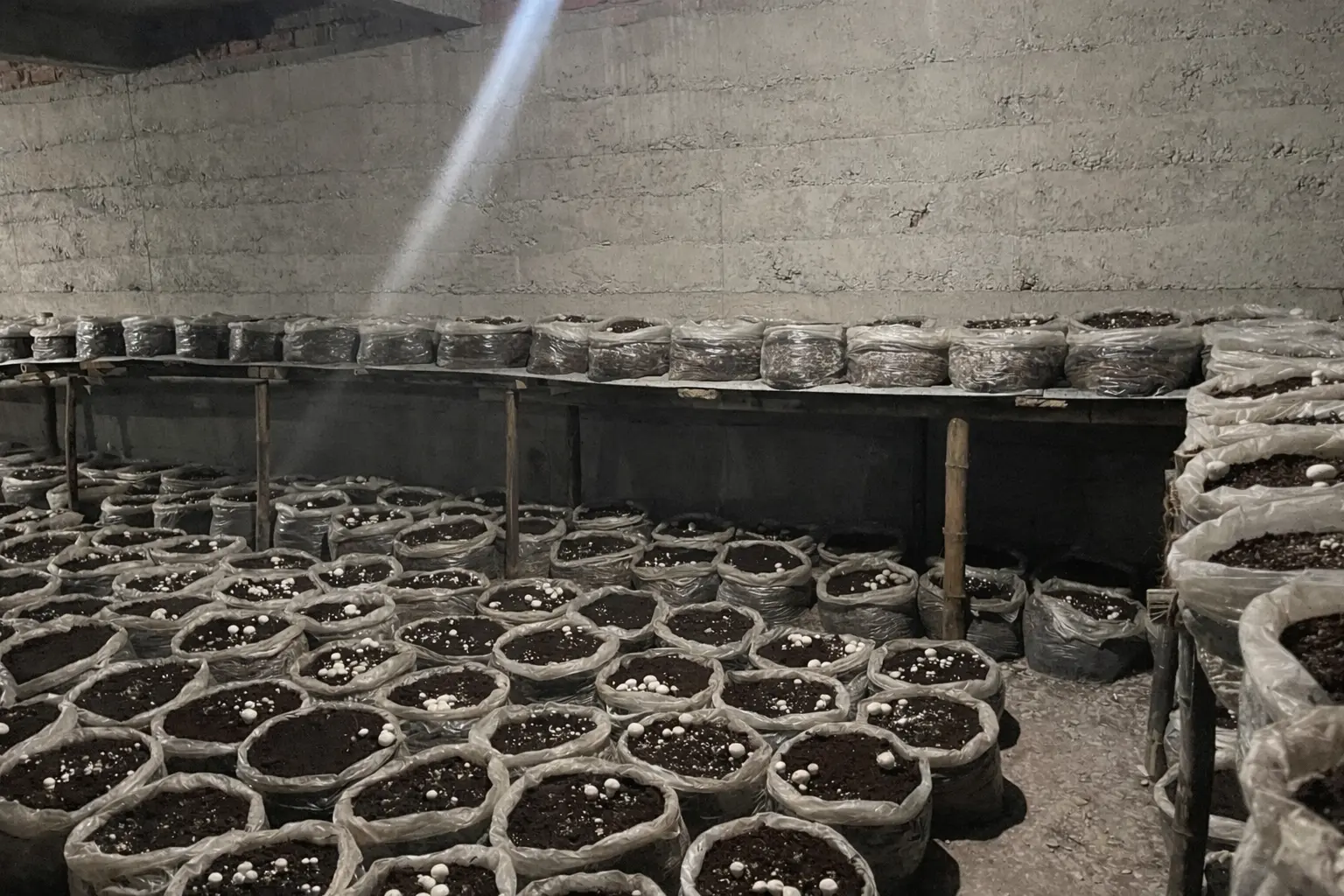
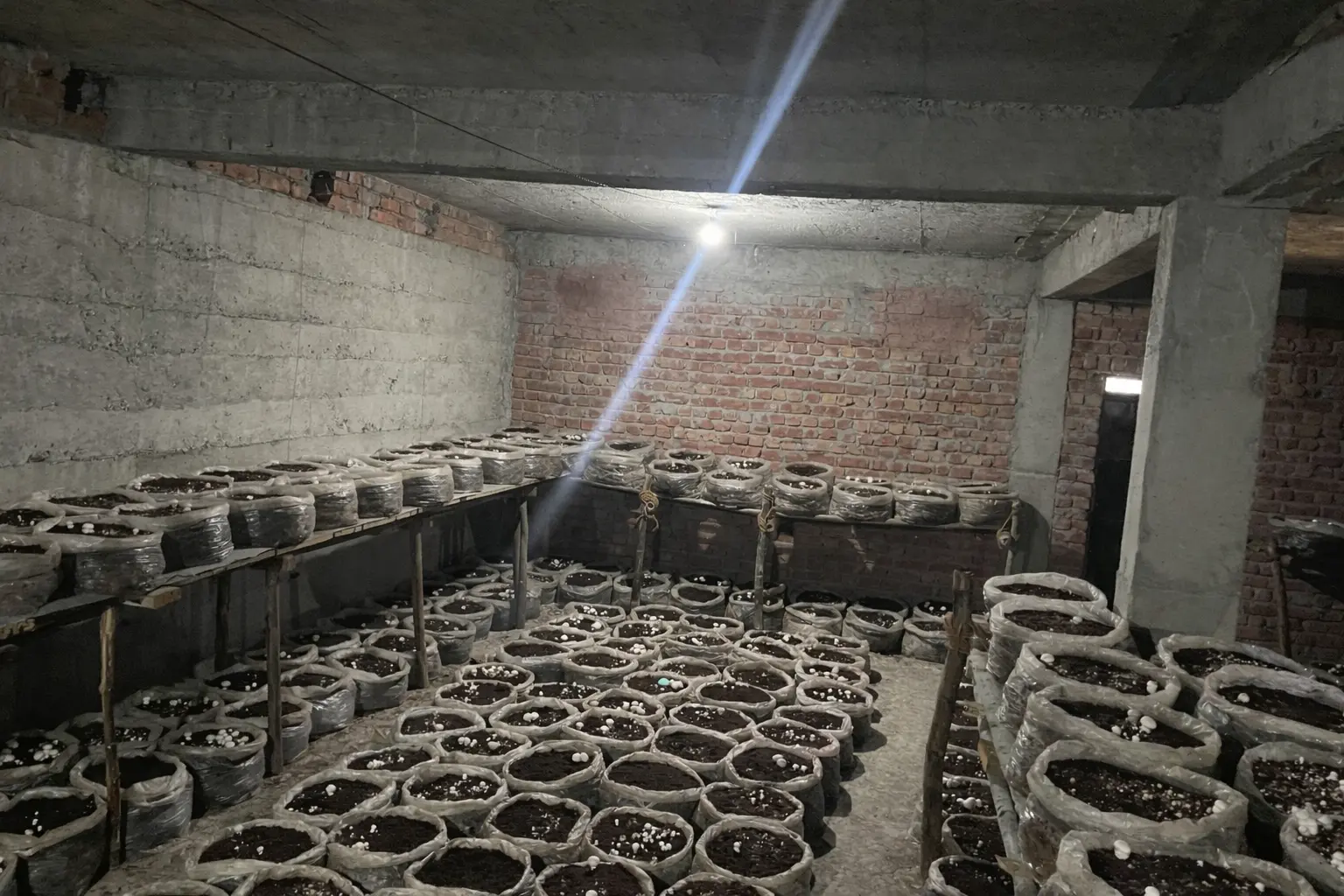
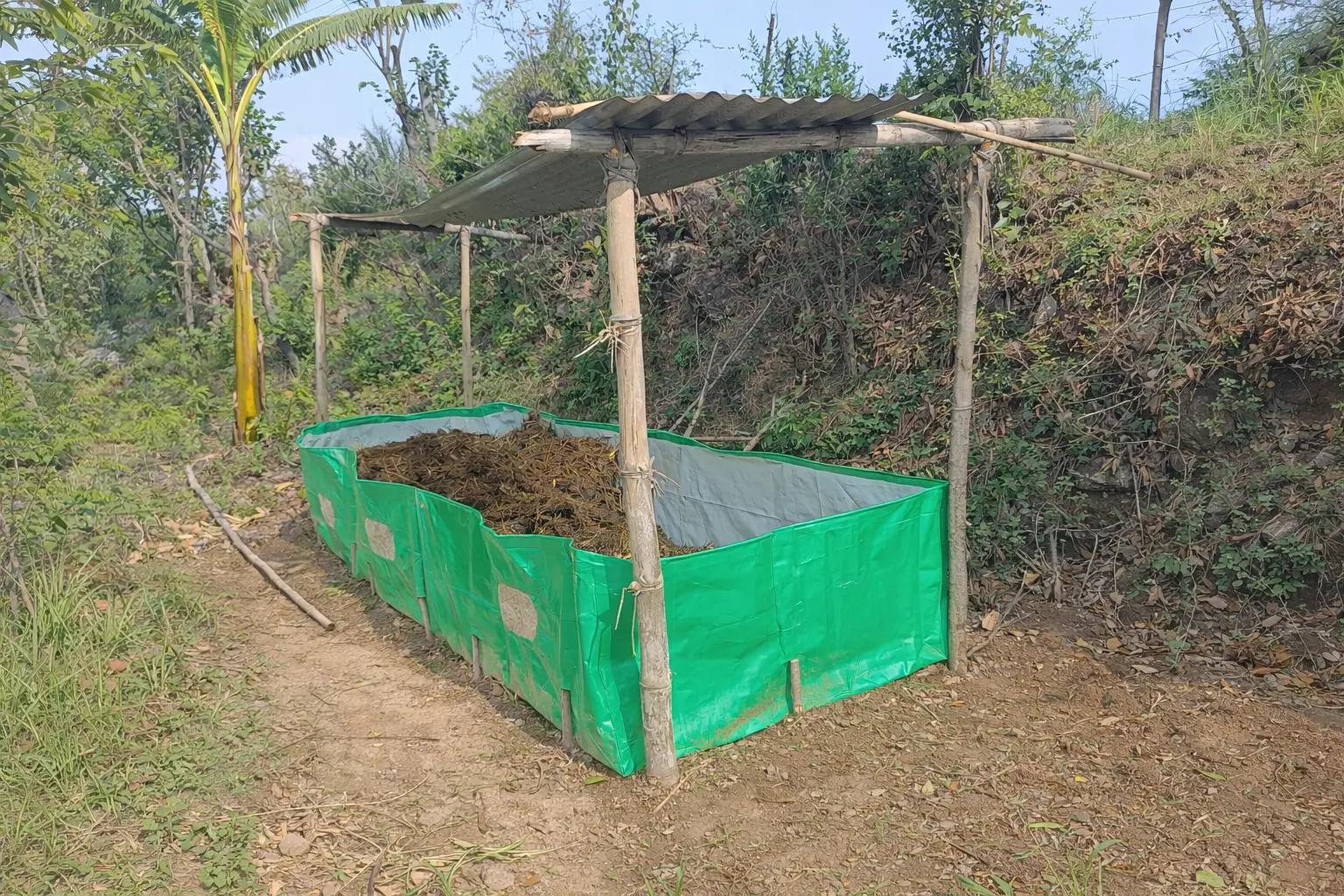
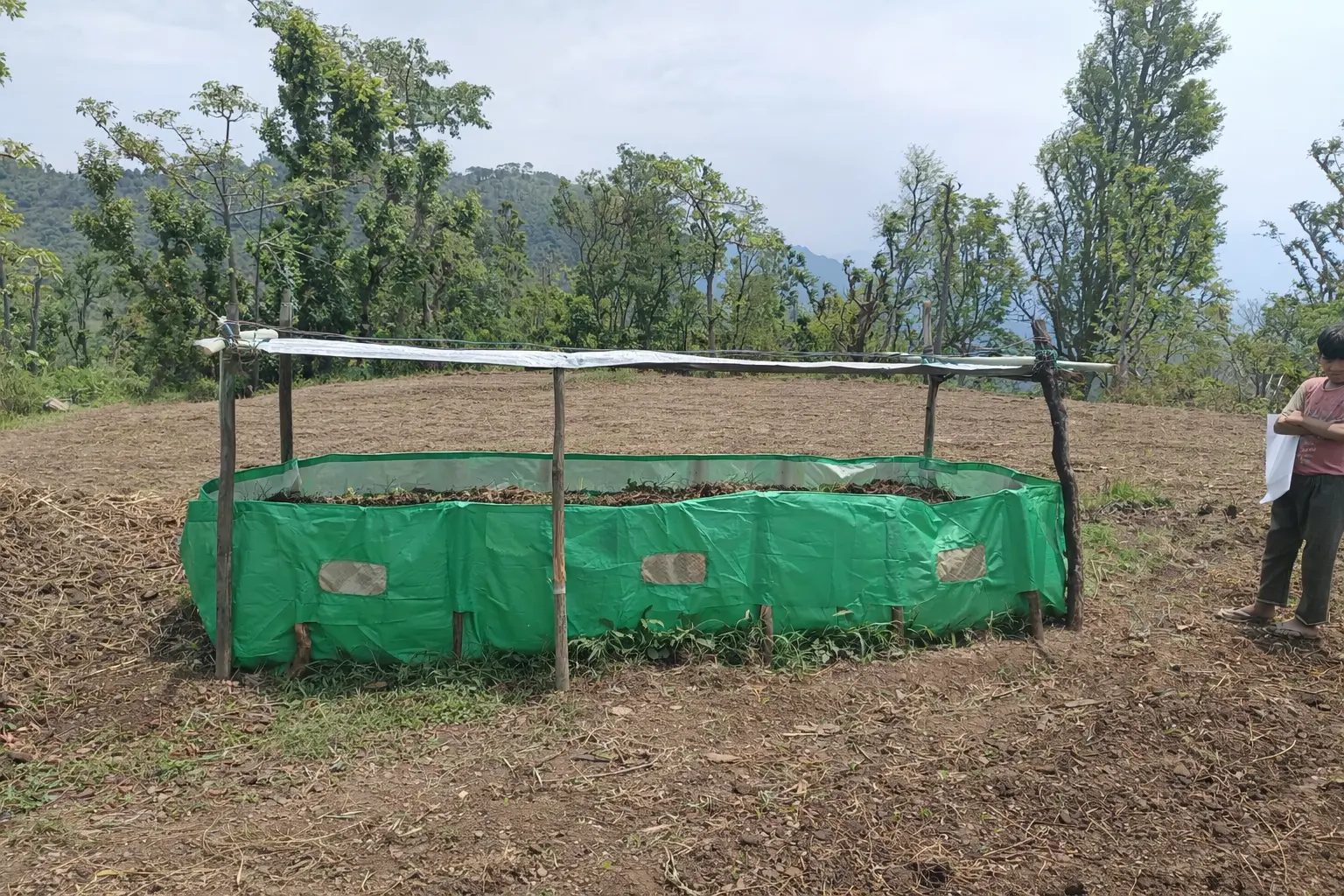
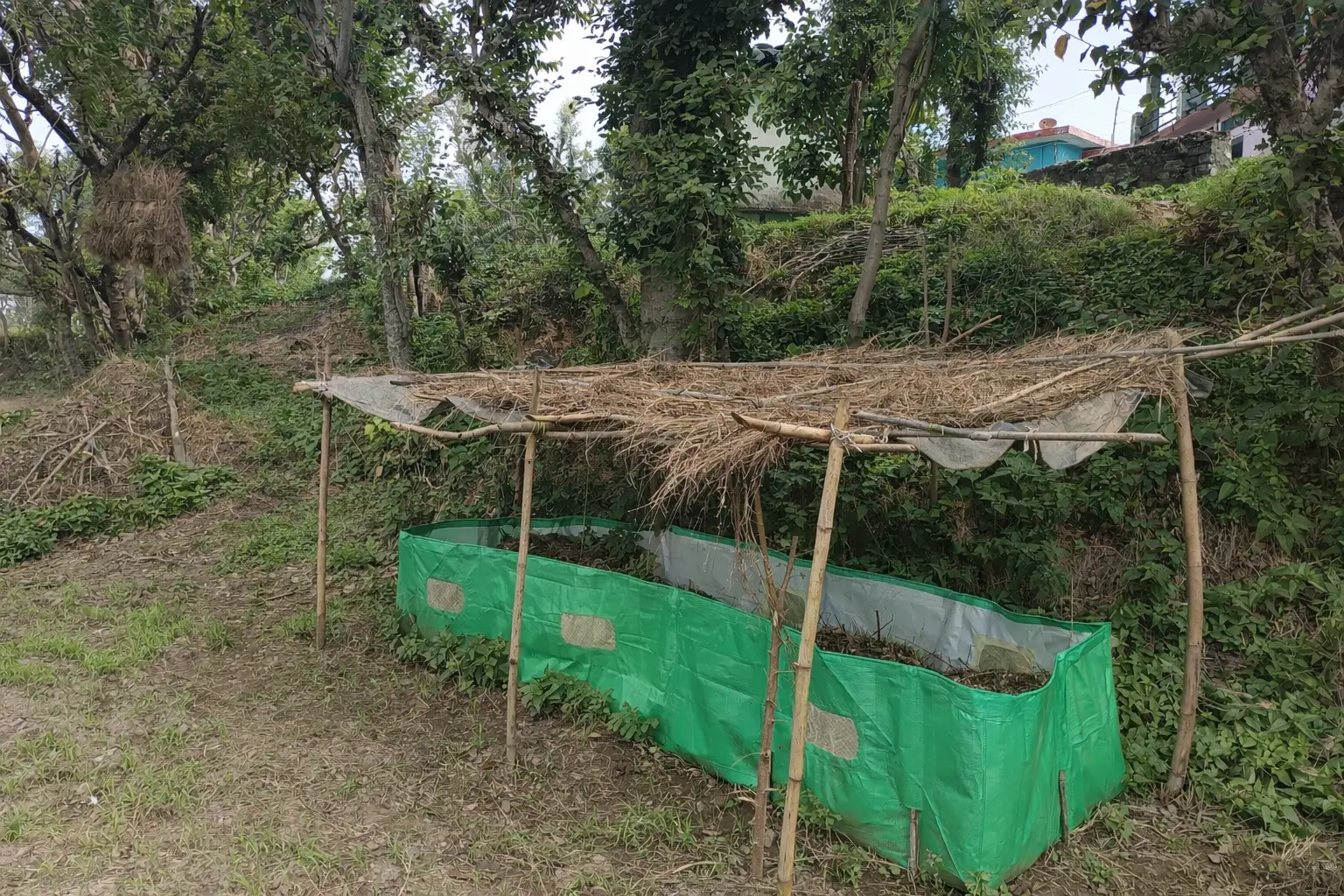
In addition to this flagship course, CBED offers short-term, hands-on training in areas such as mushroom cultivation, floriculture, food processing, vermicomposting, nursery management, plant clinics, dairy and poultry farming, horticulture, and hydroponics, enabling youth and farmers to diversify income pathways and adopt innovative enterprise models.
This initiative is part of CBED’s broader effort to nurture sustainable livelihoods, strengthen regional entrepreneurship, and enhance resilience in mountain agriculture, in response to climate, resource, and economic challenges faced by rural communities.
Explore the courses we offer
Click here for AC&ABC courseClick here to checkout our courses
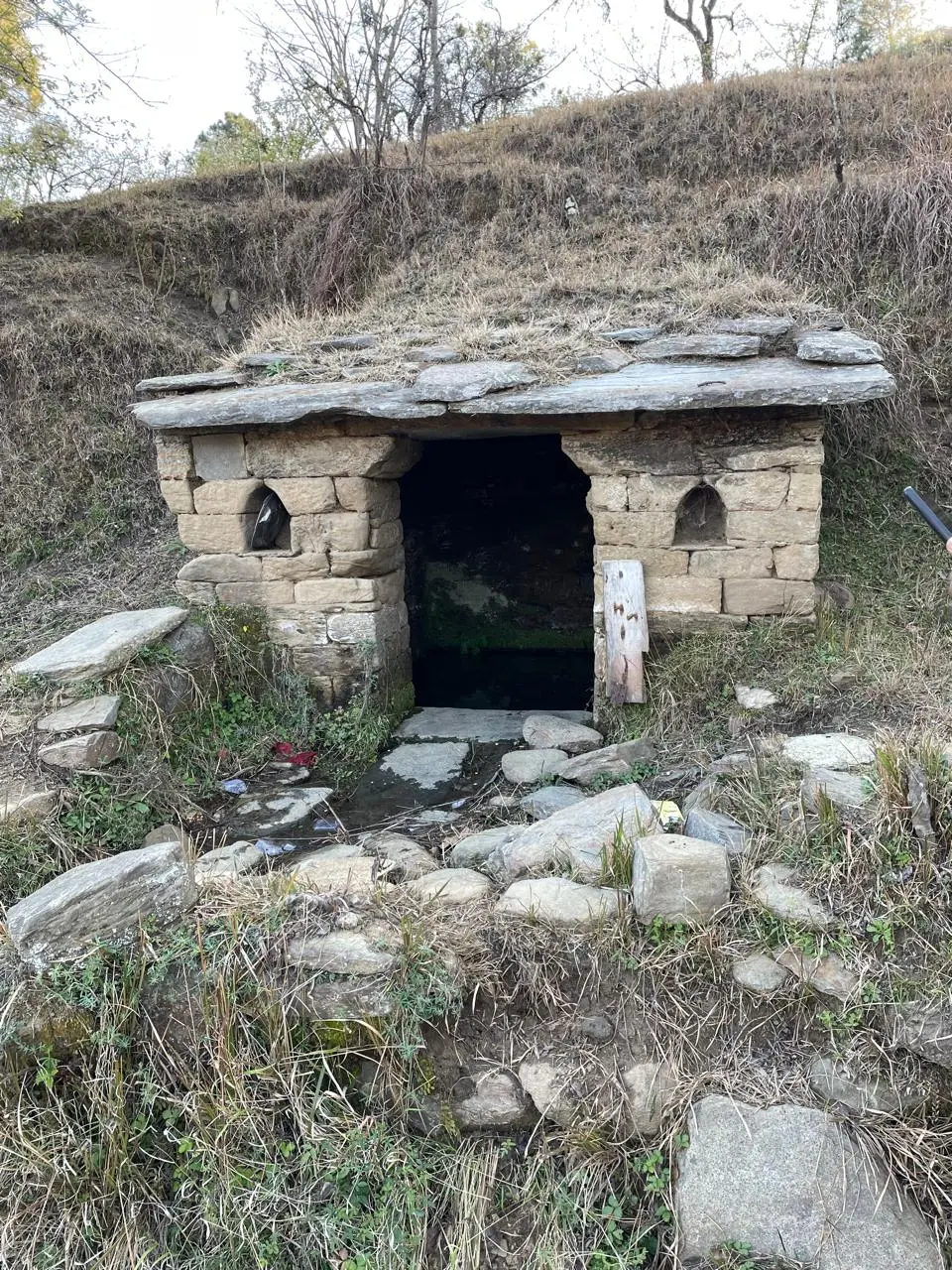
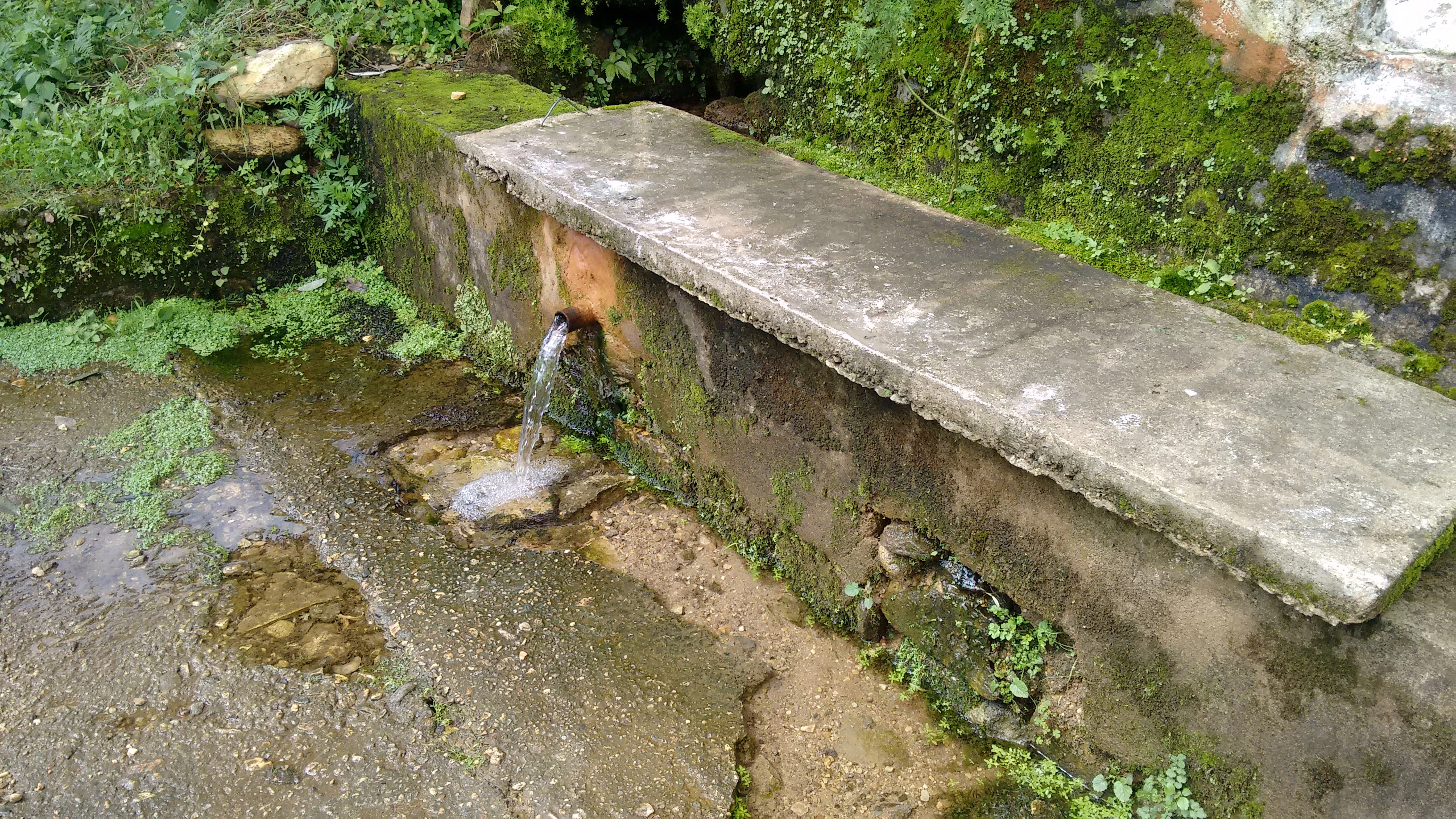
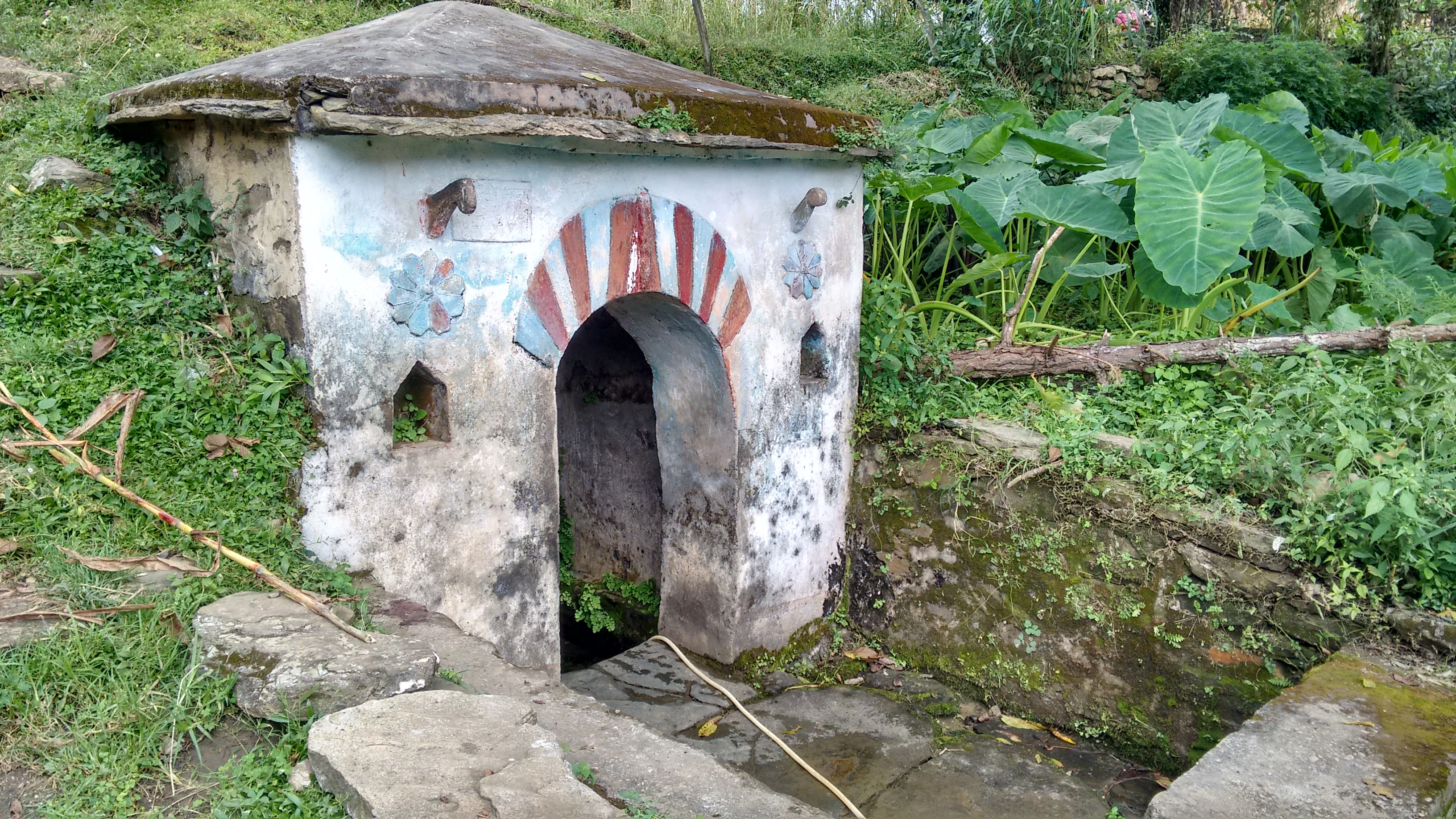
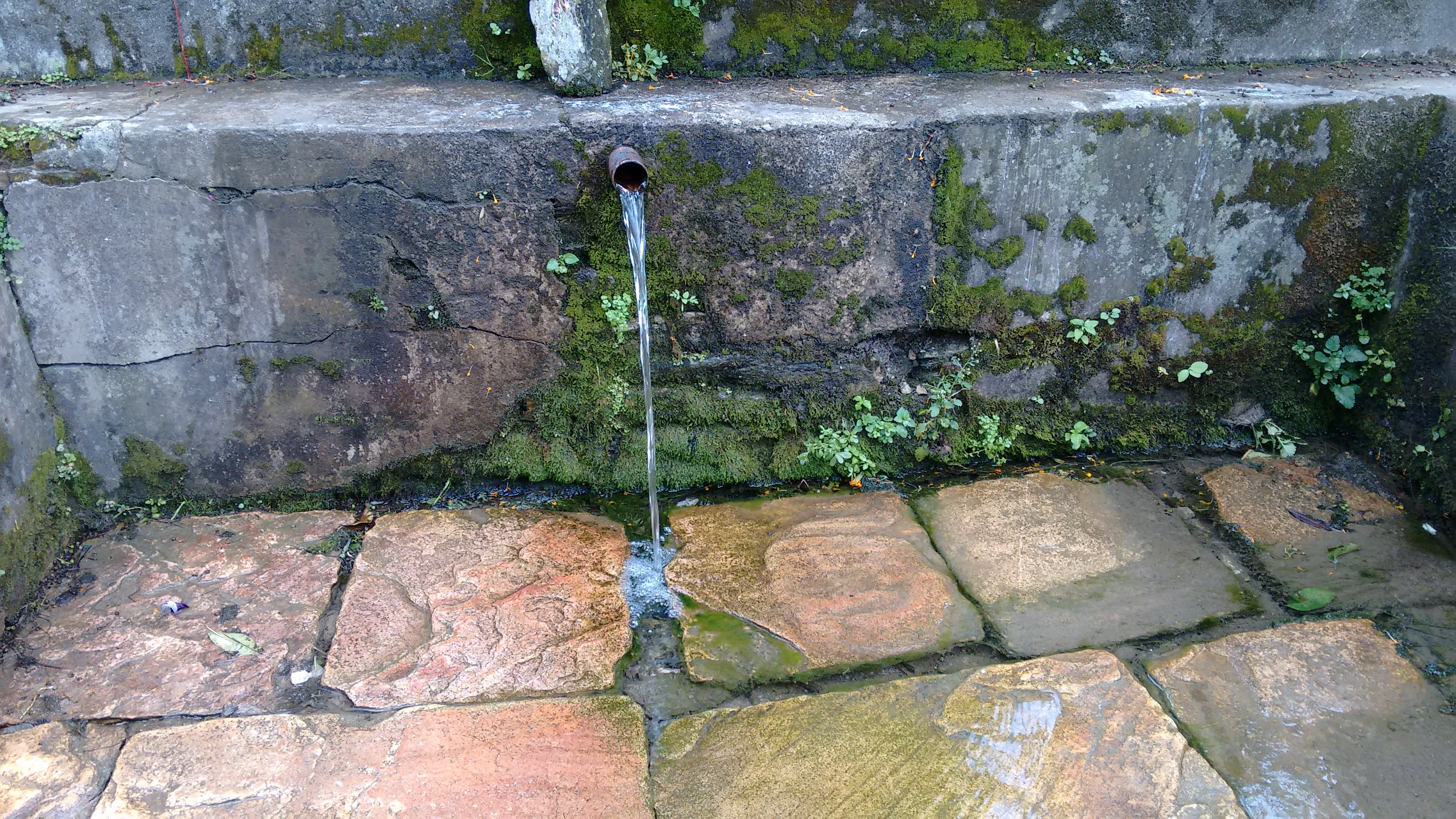
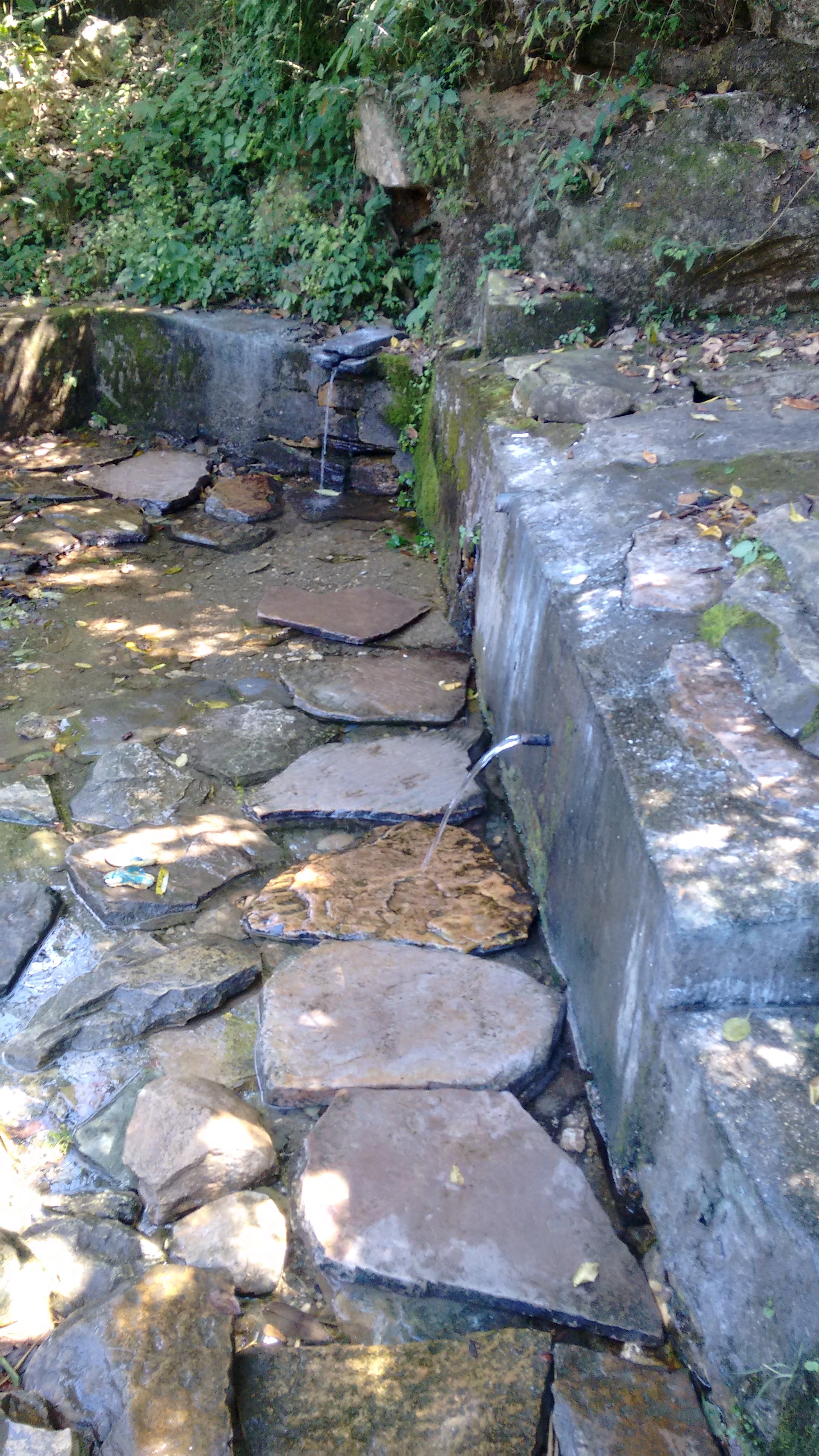
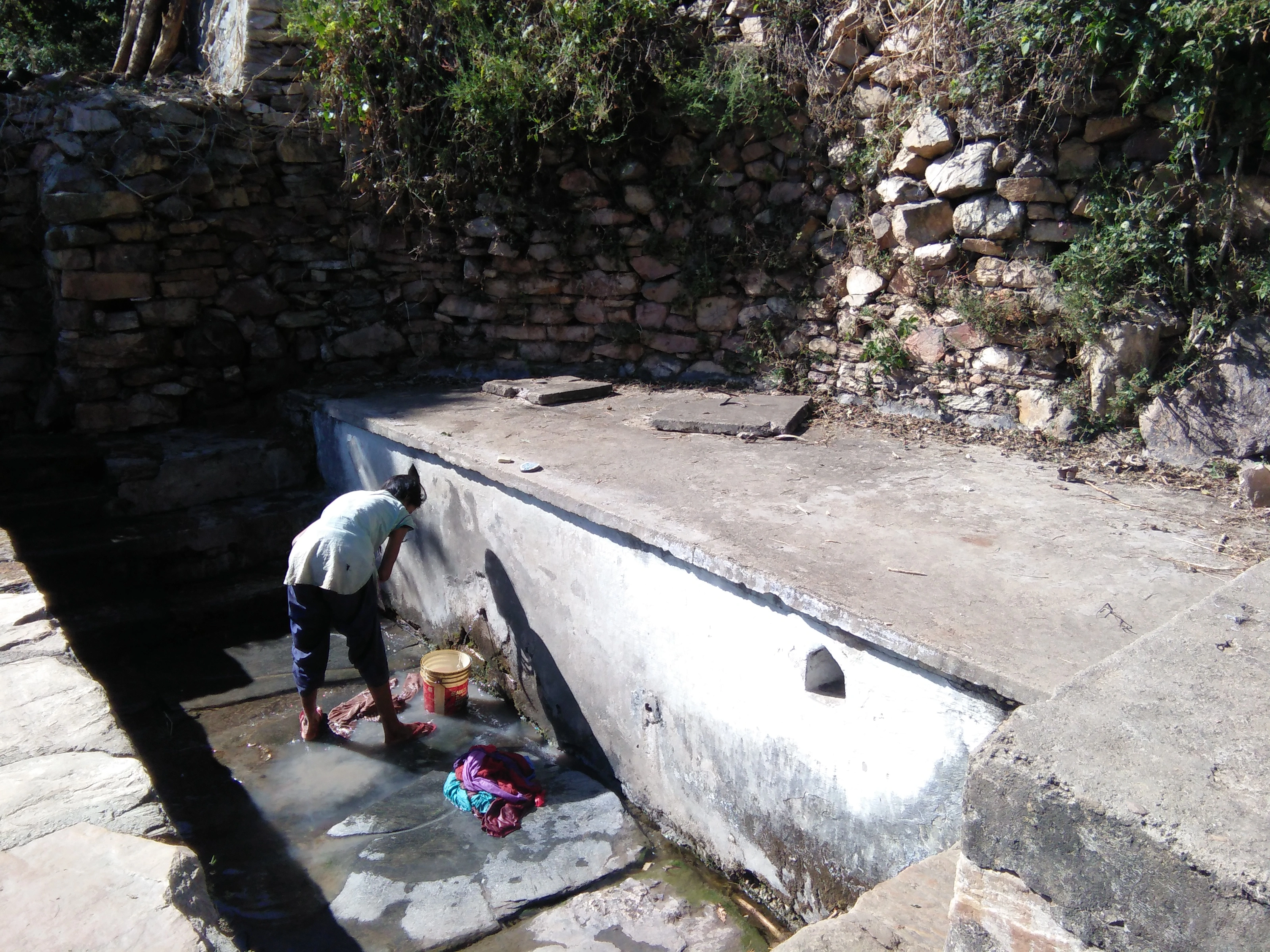
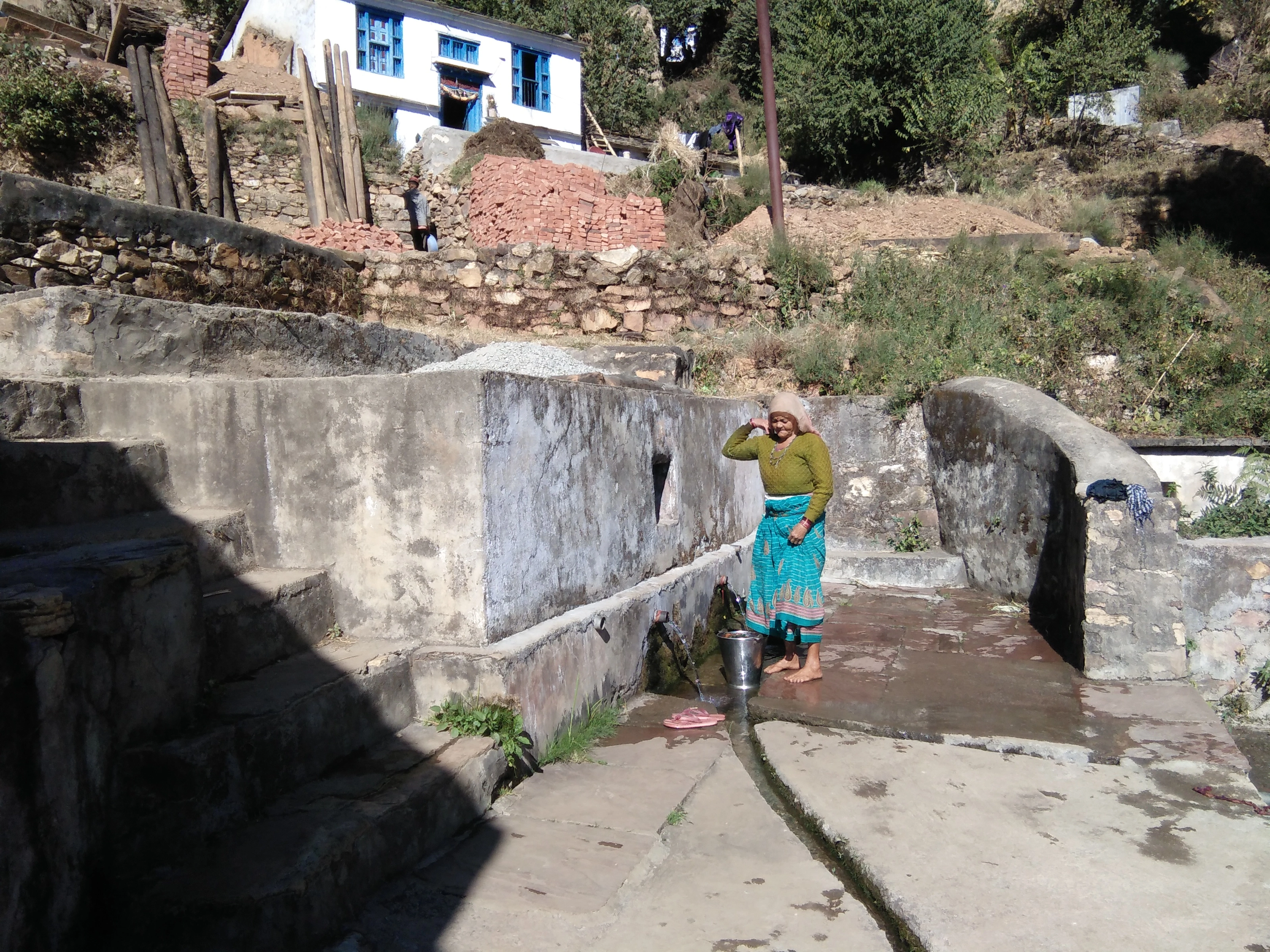
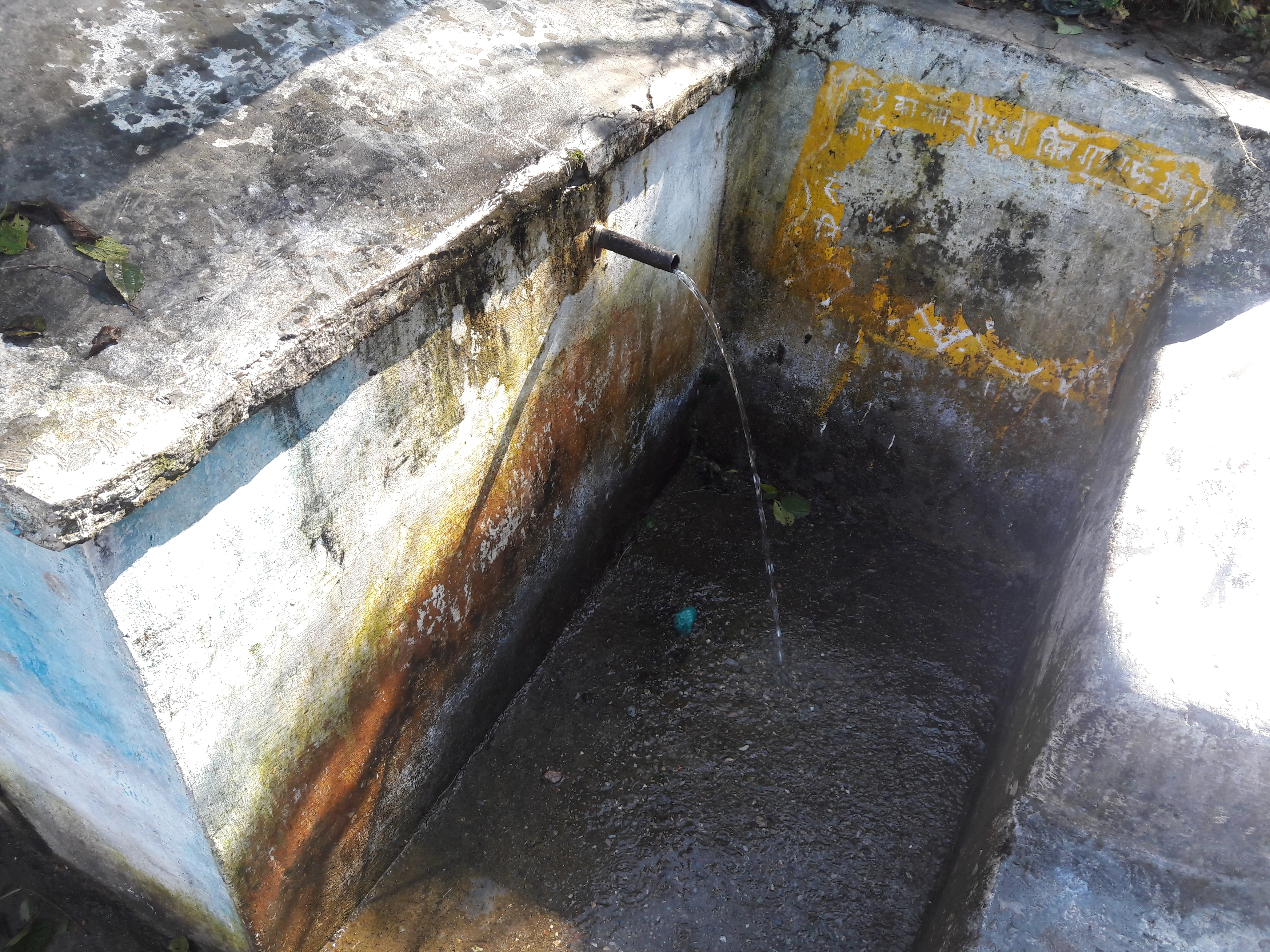
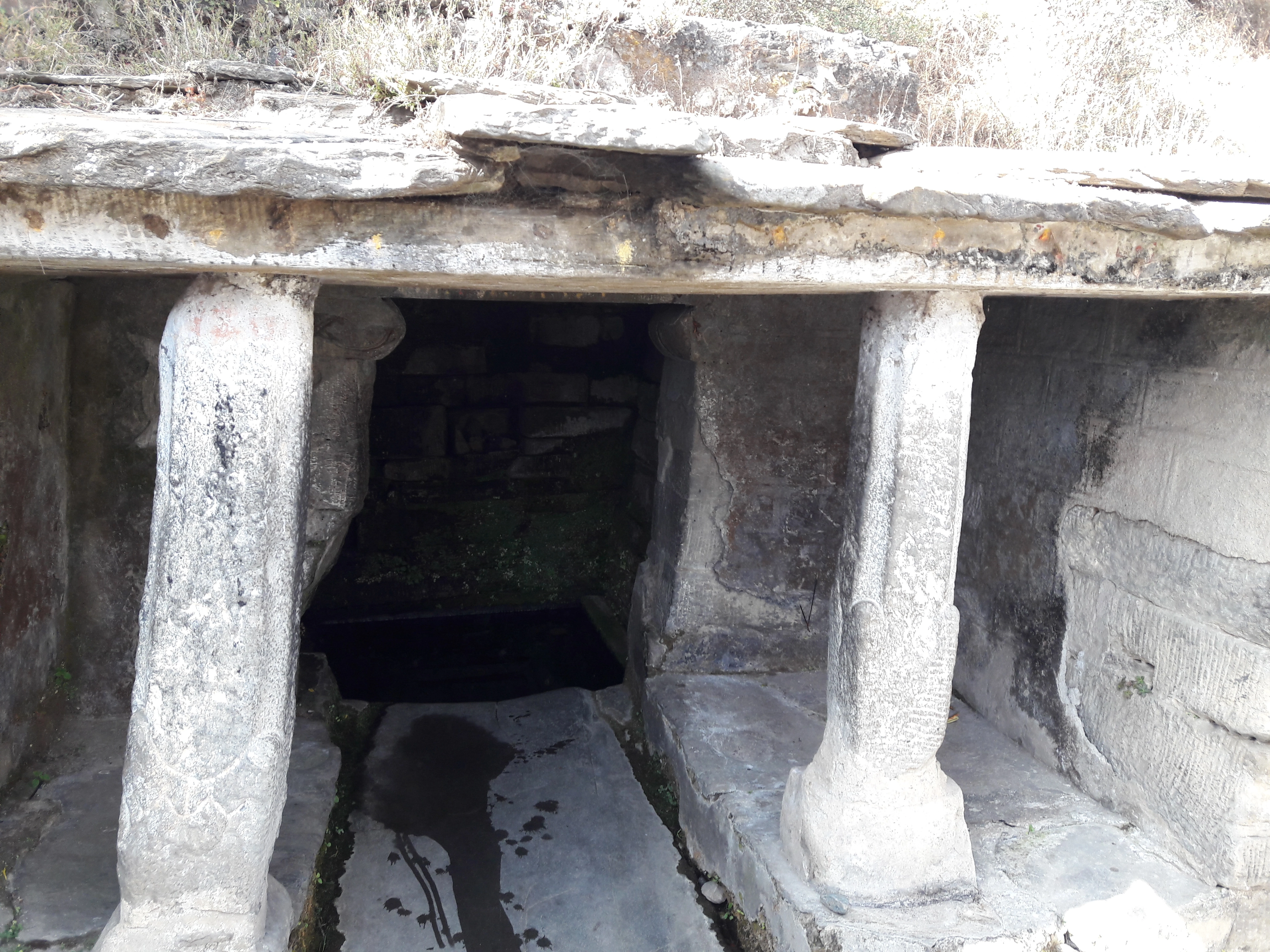
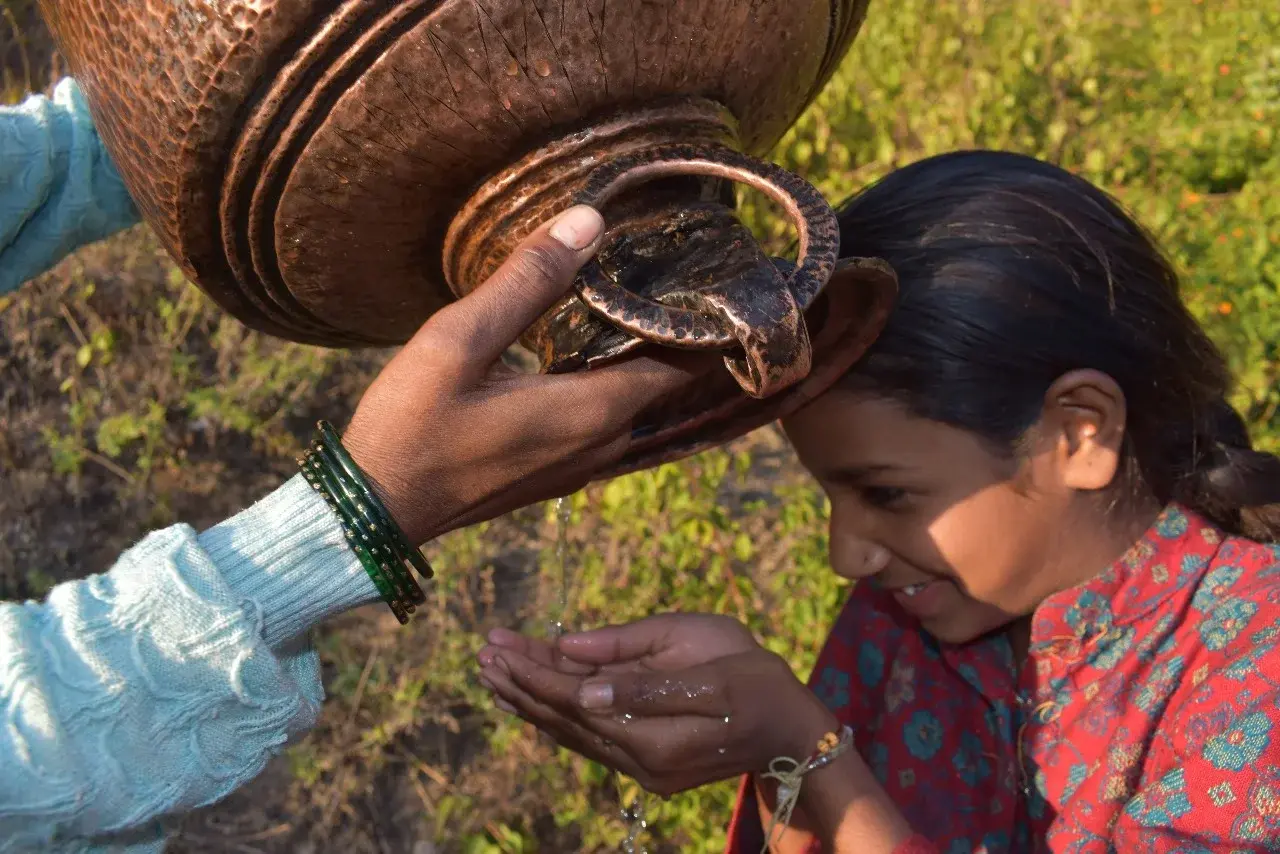
Water Security & Spring-shed Management
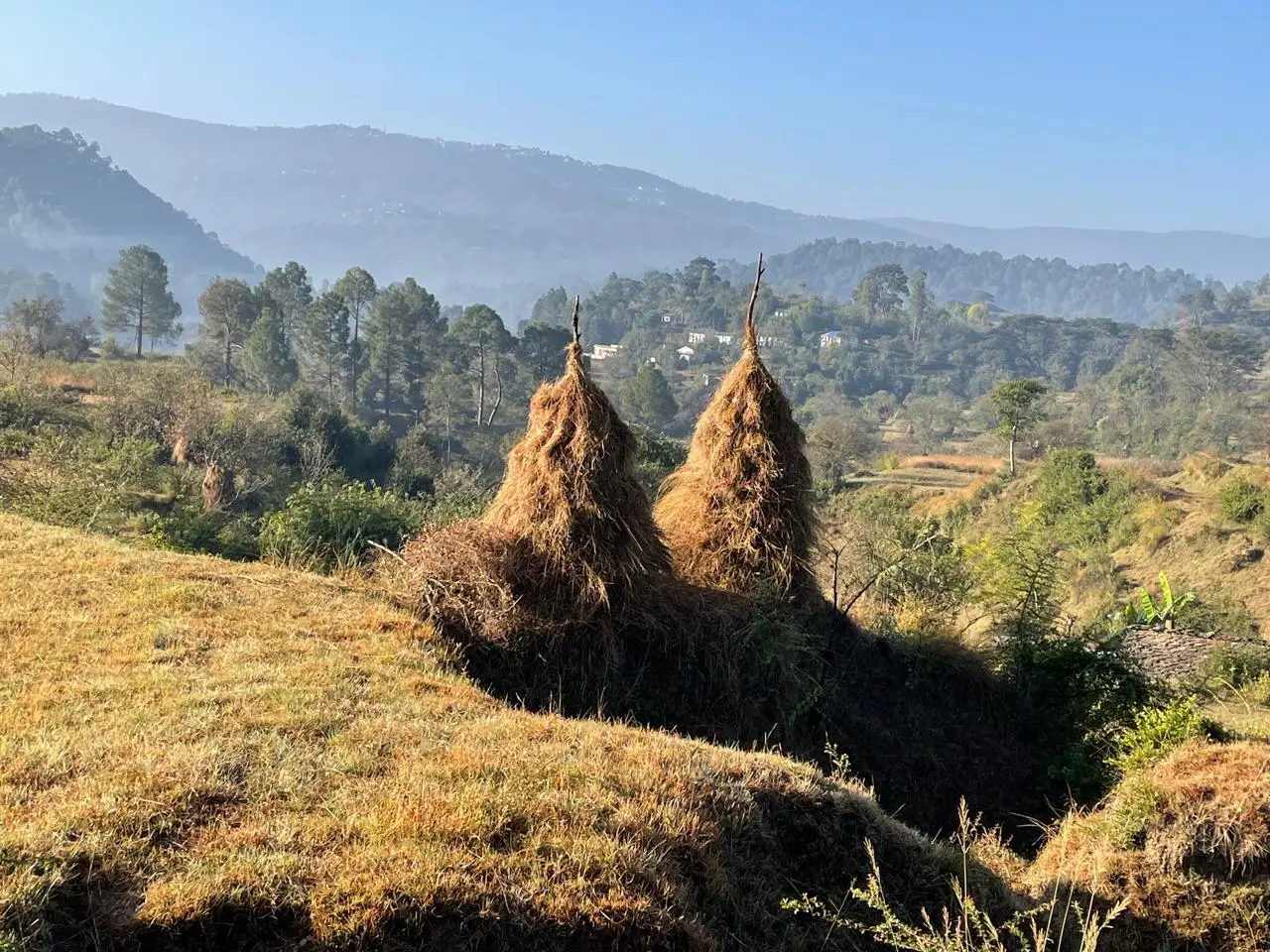
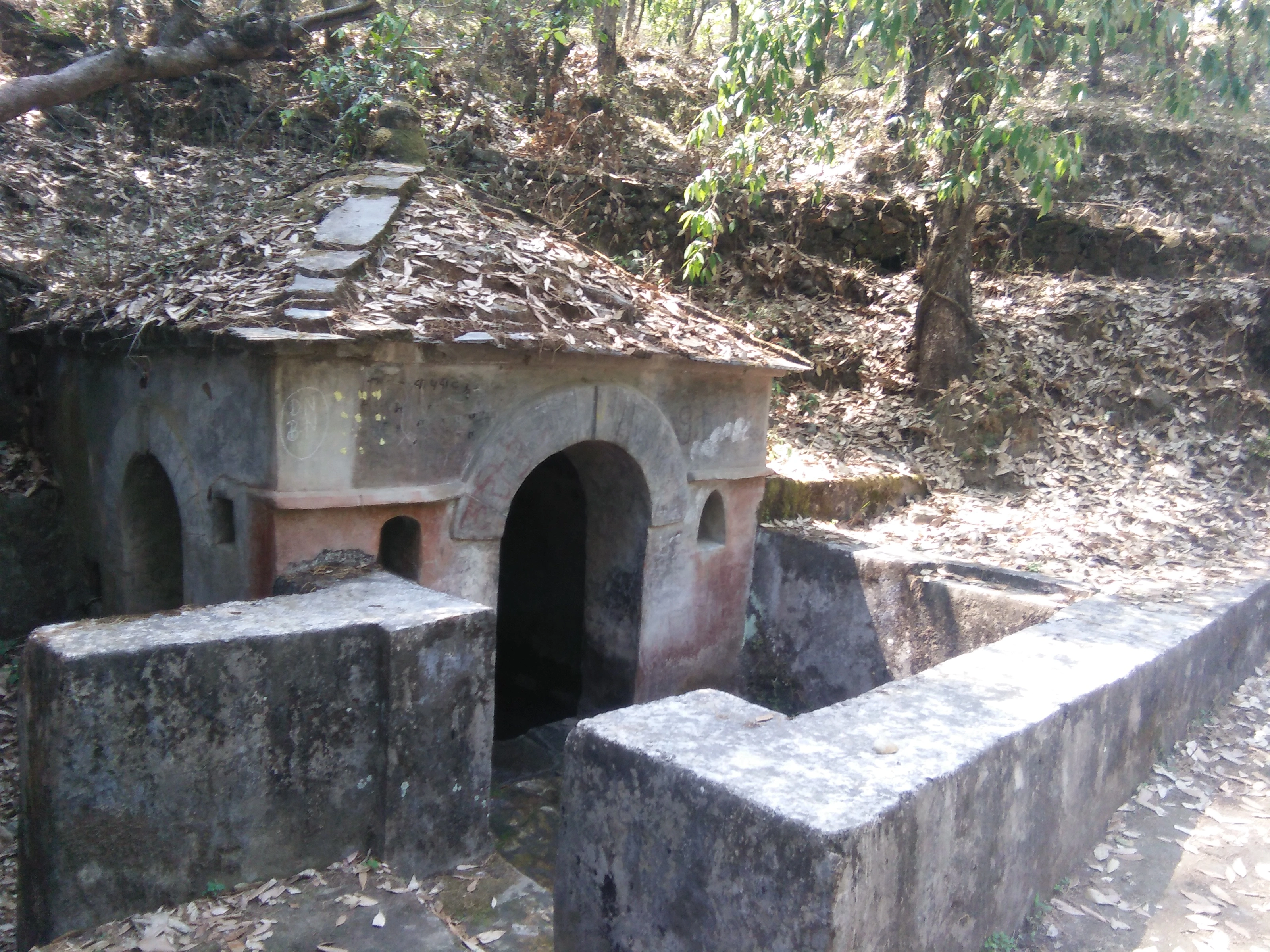
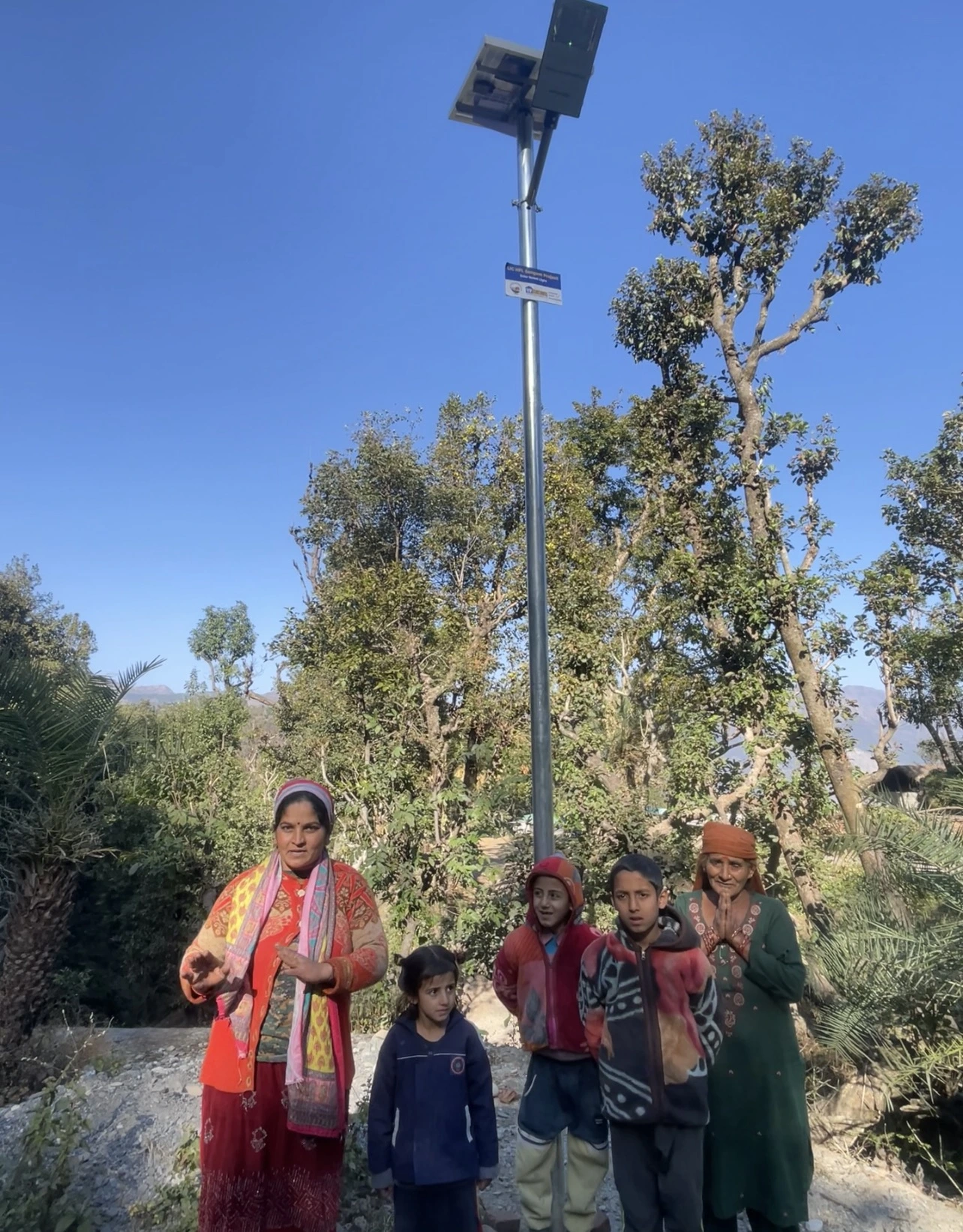
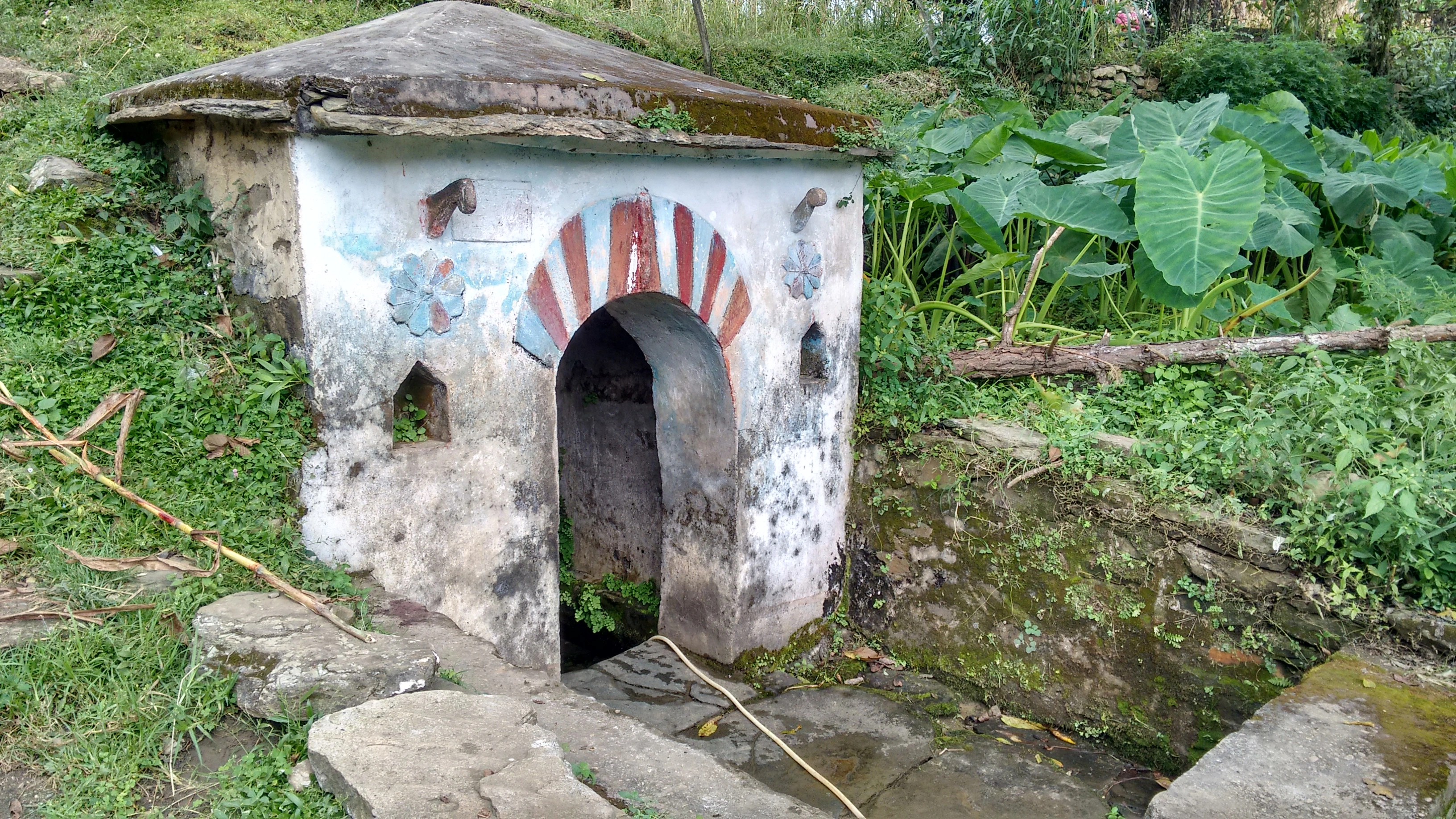
This core area integrates water security and spring-shed management with landscape-level ecological processes. Water serves as a unifying entry point to address climate resilience, land use change, and ecosystem health at village and landscape scales.
What we work on:
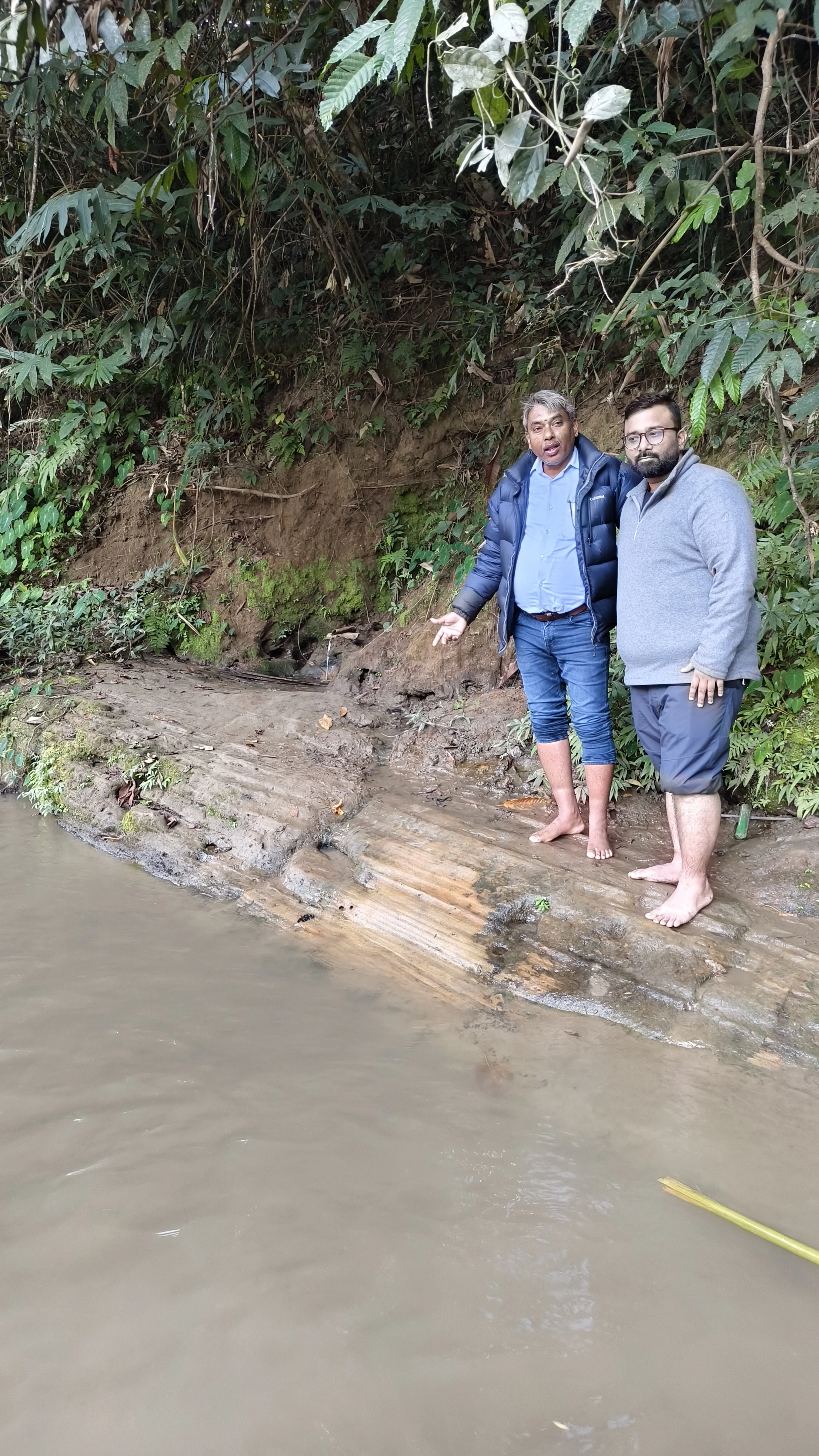
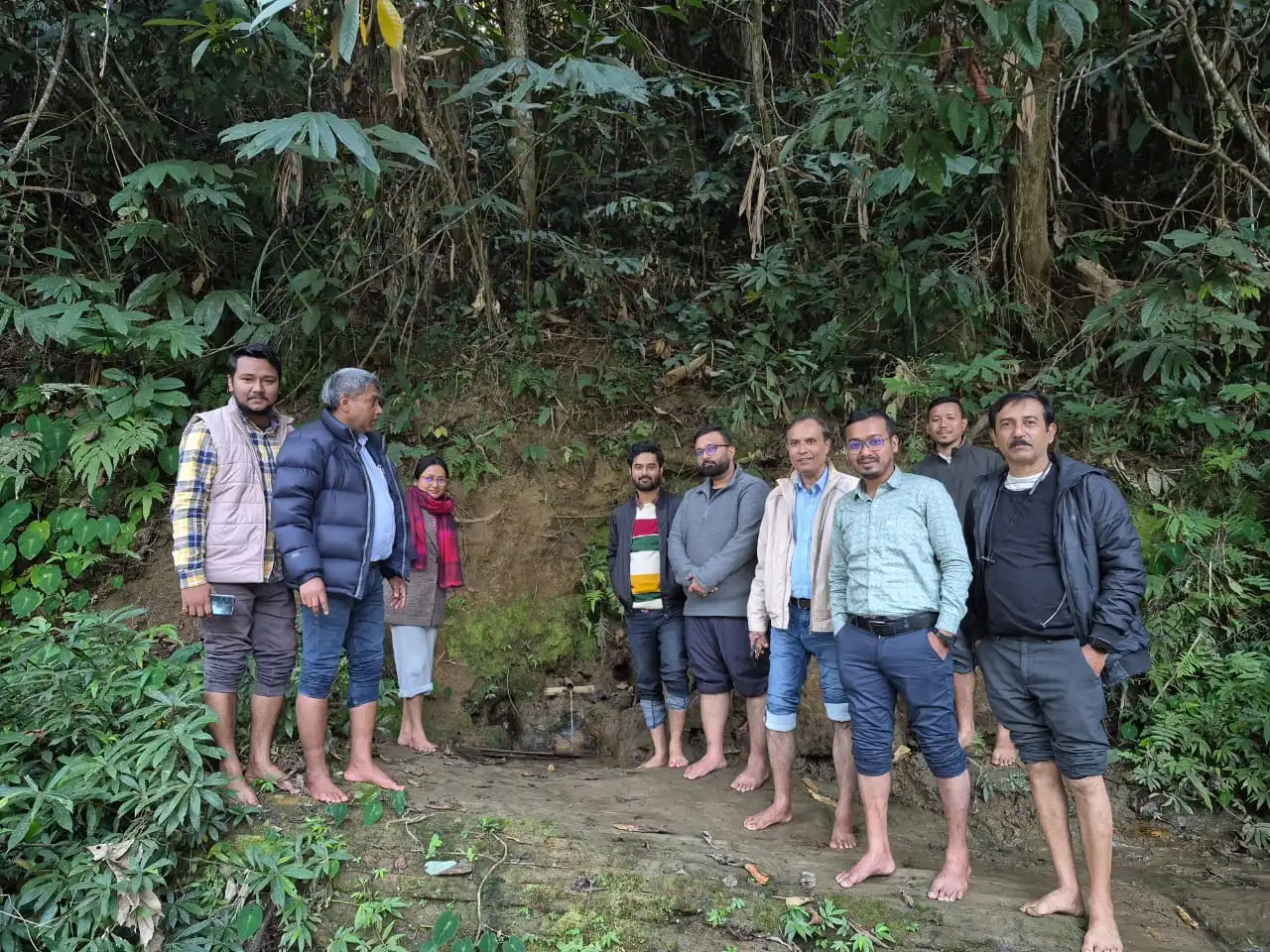
- Spring rejuvenation and protection
- Catchment treatment and forest–water linkages
- Community water governance
- Climate resilience at village and landscape scale
- Role of forests and land use in hydrological stability
Biodiversity & Forest Landscape Conservation
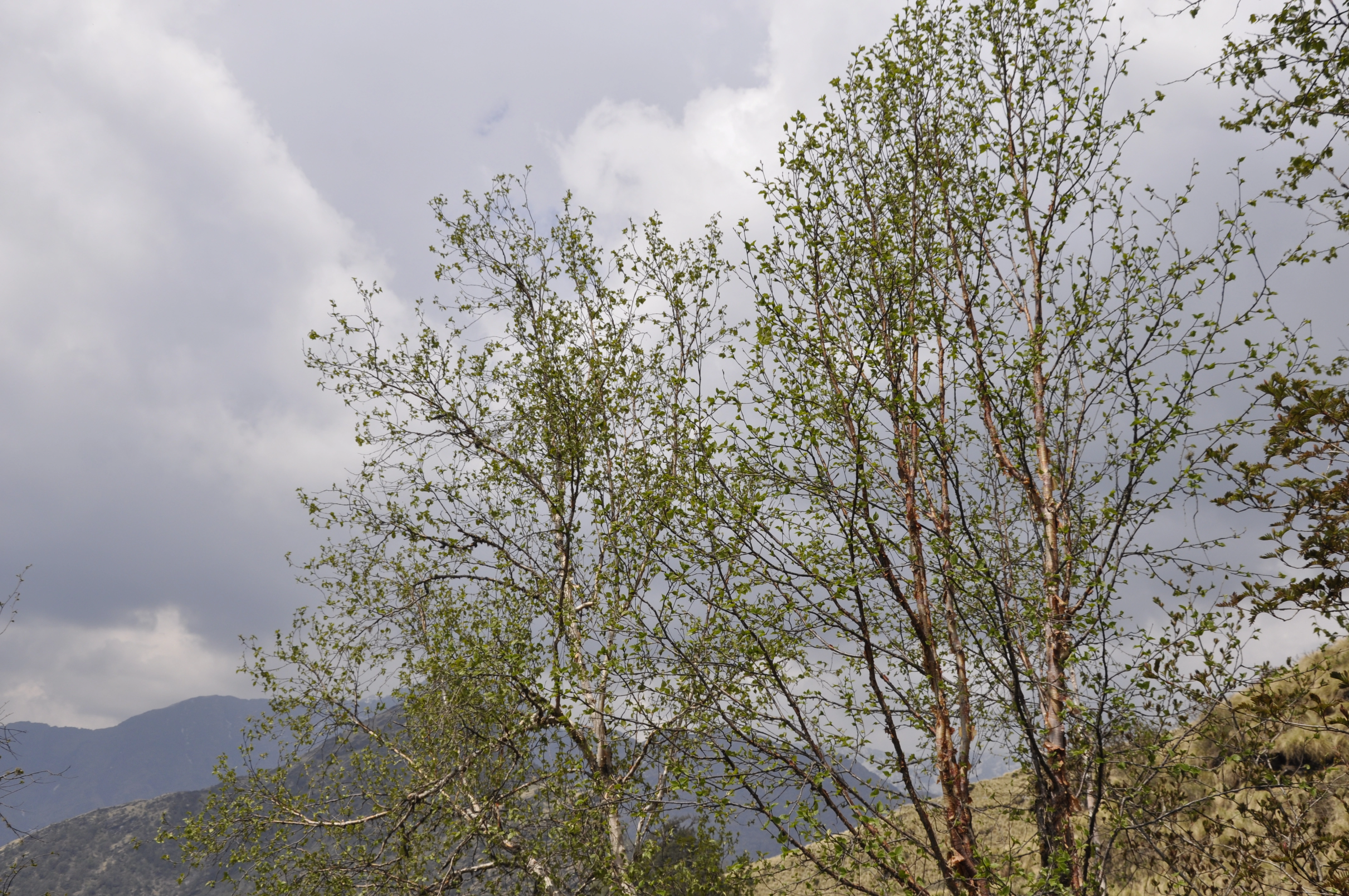
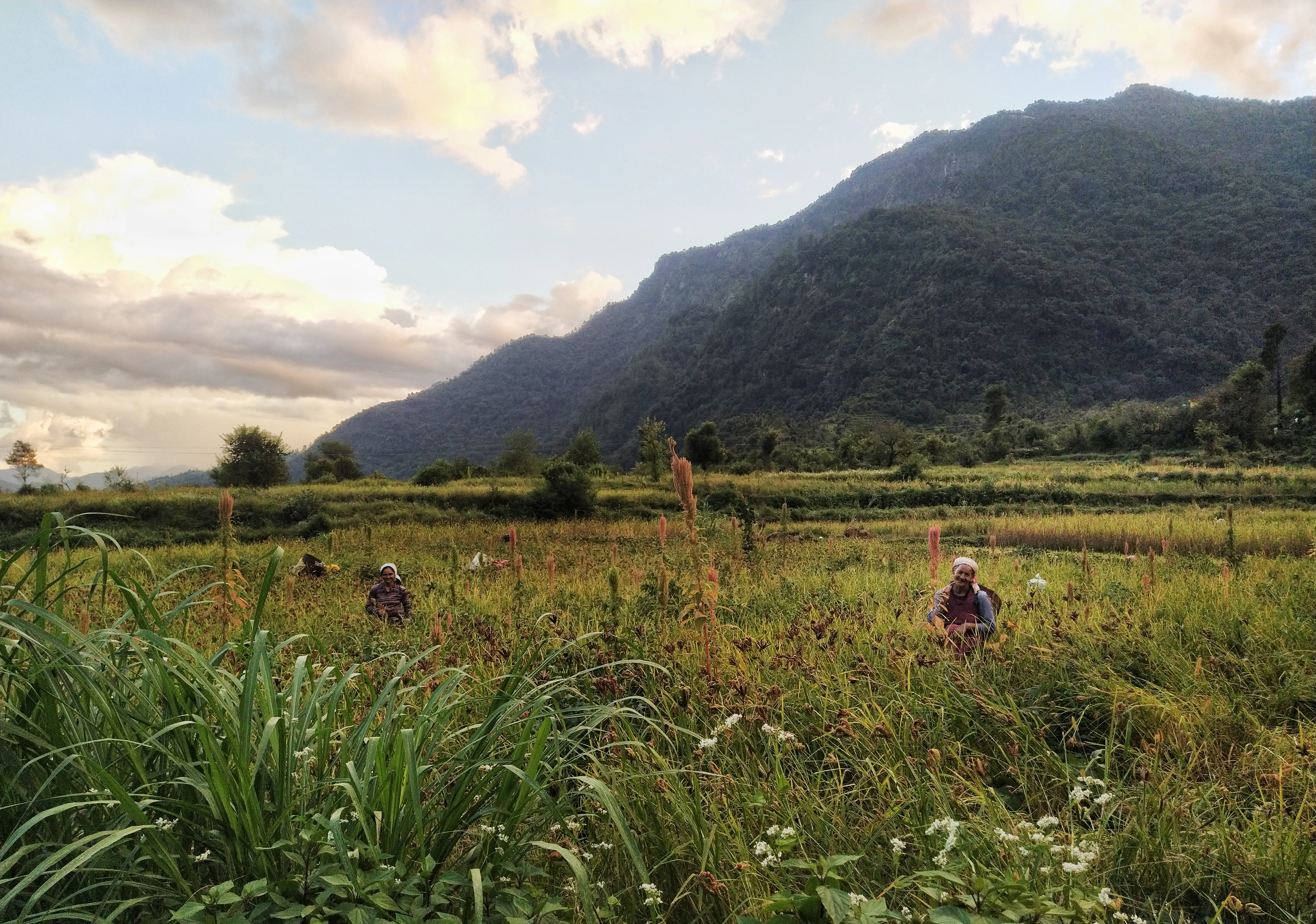
This core area brings together biodiversity conservation and community capacity building, recognising that long-term ecological outcomes depend on strong local institutions and shared knowledge. Conservation efforts are more effective and sustainable when communities are active stewards of their landscapes.
What we work on:
- Forest restoration and assisted natural regeneration
- Biodiversity conservation in community-managed landscapes
- Strengthening village institutions for resource governance
- Participatory monitoring and documentation (citizen science)
- Youth engagement and intergenerational knowledge transfer